How Needles and Hands Changed My Everyday Life – A Real Talk on Acupuncture & Massage
For years, I brushed off acupuncture and massage as just “alternative” therapies—until chronic stiffness and low energy pushed me to try them. What started as a last resort became a game-changer. No magic, no overnight cures, but real, subtle shifts in how I move, sleep, and feel each day. This isn’t medical advice, but my honest journey into how these ancient practices quietly upgraded my quality of life. Like many women in their 30s, 40s, and beyond, I was juggling family, work, and personal well-being, often placing my own needs last. The constant low hum of discomfort—tight shoulders, restless nights, fatigue that coffee couldn’t fix—wasn’t a crisis, but it was eroding my joy. When conventional solutions offered only temporary relief or came with side effects I wasn’t willing to accept, I opened the door to something different. What I found wasn’t a miracle, but a meaningful shift toward greater balance and resilience.
The Breaking Point: When Daily Discomfort Became Unignorable
It wasn’t one dramatic event that led me to seek acupuncture and massage, but a slow accumulation of small struggles. For months, I woke with stiff shoulders and a stiff neck, reaching for pain relievers before my morning coffee. Sitting at a desk for hours left my lower back aching, and by evening, even simple tasks like lifting a grocery bag or playing on the floor with my children brought a wince. Sleep, once a reliable reset, became fitful. I’d lie awake, my mind racing, while my body felt both exhausted and tense. I wasn’t sick, at least not in any way a doctor could diagnose with a blood test or scan. But I wasn’t thriving, either. I was surviving—with a constant undercurrent of physical discomfort that dimmed my energy and patience.
Like many women in similar stages of life, I had tried the usual fixes. Over-the-counter pain medications offered short-term relief but came with stomach upset and a sense of dependency I didn’t like. Heat pads and stretching helped a little, but the stiffness always returned. I considered physical therapy, but long wait times and insurance limitations made it difficult to access. Exercise was important, but some days, my body felt too tight to move well, making even a gentle walk feel like a chore. I began to realize that my body wasn’t just asking for a quick fix—it was signaling a deeper need for care and balance. That awareness, more than any single symptom, was the turning point. I needed a different approach—one that addressed not just the pain, but the patterns behind it.
It was during a conversation with a close friend that I first seriously considered acupuncture. She had started sessions for stress-related headaches and described a sense of deep calm she hadn’t felt in years. Her experience wasn’t about eliminating pain completely, but about feeling more at ease in her body. That resonated with me. I wasn’t looking for a cure—I was looking for relief, for restoration, for a way to feel more like myself. With cautious curiosity, I began researching licensed practitioners in my area, reading about safety protocols and the growing body of research supporting integrative therapies. What I found wasn’t a promise of perfection, but a growing recognition that the body has an innate capacity to heal when given the right support. That idea—that healing could be gentle, gradual, and within reach—gave me the courage to make the first appointment.
First Encounters: What Acupuncture *Actually* Feels Like (Spoiler: It’s Not Scary)
Walking into the acupuncture clinic for the first time, I admit I was nervous. The image of needles had always made me uneasy, even though I’d never actually seen or felt one used in this context. The space, however, immediately eased my tension. Soft lighting, quiet music, and the scent of lavender created a calming atmosphere. The acupuncturist, a licensed professional with years of training, greeted me with warmth and took time to review my health history, my sleep patterns, and the areas where I carried tension. She explained that acupuncture wasn’t about targeting pain in isolation, but about understanding how different systems in the body interact—how stress can show up as physical tightness, how poor sleep can worsen inflammation, and how energy flow, or qi as it’s traditionally described, might influence overall well-being.
The needles themselves were nothing like I expected. They were extremely thin—about the width of a human hair—and inserted with such precision that I barely felt them. Some points produced a mild tingling or a dull ache, which the practitioner explained was a normal response, often described as the arrival of qi. Most of the time, I felt nothing at all. Once the needles were in place, I was left to rest for about 20 to 30 minutes. What surprised me most was the depth of relaxation that followed. My breathing slowed, my shoulders dropped, and for the first time in months, my mind felt quiet. It wasn’t sleep, but a state of deep stillness that felt both restorative and grounding. When the session ended and the needles were gently removed, I didn’t feel dramatically different—but I noticed a subtle lightness, as if a low-grade hum of tension had been turned down.
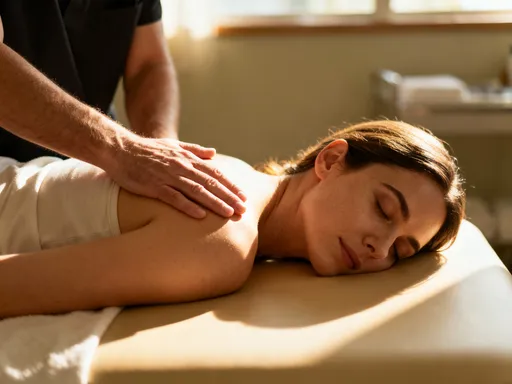
My first massage therapy session followed a similar pattern of gentle revelation. I had been to spa massages before—pleasant, relaxing, but often more about indulgence than healing. This was different. The therapist assessed my posture, asked about areas of tension, and used techniques like myofascial release and trigger point therapy to address specific muscle knots. She worked slowly, checking in frequently, ensuring the pressure was therapeutic but not overwhelming. I could feel layers of tension releasing, especially in my upper back and neck, areas that had been tight for years. Unlike the temporary relief of a hot bath, this felt like a deeper reset. Over time, I learned that these therapies weren’t about instant transformation, but about creating space in the body for natural healing to occur. The effects were cumulative—each session built on the last, helping my body relearn how to relax, move, and recover.
The Science Behind the Sensation: How Tiny Needles Influence Big Systems
At first, the benefits I experienced felt almost mysterious—how could such small needles create such noticeable shifts? But as I learned more, I began to understand that acupuncture’s effects are increasingly supported by science, even if the full picture isn’t yet complete. Researchers have found that acupuncture may influence the nervous system by stimulating nerves in the skin and muscles, which in turn sends signals to the brain. These signals can trigger the release of natural pain-relieving chemicals like endorphins and modulate the body’s stress response. This helps explain why many people, including myself, report not only reduced pain but also improved mood and better sleep after sessions.
Another key area of study is inflammation. Chronic low-grade inflammation is linked to many common complaints—fatigue, joint stiffness, poor recovery—and acupuncture may help regulate the body’s inflammatory response. While it doesn’t eliminate inflammation on its own, it appears to support the body’s natural ability to maintain balance. For someone like me, who wasn’t dealing with a diagnosed autoimmune condition but was living with persistent discomfort, this subtle regulation made a real difference. It wasn’t about suppressing symptoms with medication, but about helping my body function more efficiently on its own.
Brain imaging studies have also shown that acupuncture can affect areas of the brain involved in pain processing and emotional regulation. This helps explain the sense of calm many people describe—not as drowsiness, but as a shift in how the body and mind respond to stress. It’s important to note that acupuncture isn’t a replacement for medical treatment. If someone has a serious health condition, they should always consult a physician. But for everyday issues like tension, fatigue, and stress-related discomfort, acupuncture may serve as a valuable complementary approach. It doesn’t promise to cure, but it can support the body’s resilience. Over time, I came to see it not as a mysterious tradition, but as a practice grounded in the body’s own biology—helping to “reset” patterns of tension and imbalance that had become automatic.
Massage That Goes Beyond Relaxation: The Art of Therapeutic Touch
While acupuncture helped me from the inside out, massage therapy addressed the physical layers of tension I carried in my muscles and connective tissues. I came to appreciate that not all massage is the same. The kind I experienced wasn’t about luxury or pampering, but about targeted, intentional work. My therapist used a combination of techniques—deep tissue work to address chronic muscle tightness, myofascial release to ease restrictions in the connective tissue, and gentle stretching to improve mobility. Each session was tailored to my needs, focusing on areas like my trapezius muscles, which had been clenched for years from stress and poor posture.
One of the most noticeable changes was in my range of motion. Simple movements that had become stiff—reaching for a high shelf, turning my head while driving—became easier. I also slept more soundly. There’s a physiological link between muscle tension and the nervous system: when muscles are tight, the body stays in a low-level state of alertness, making it harder to relax fully. By releasing that physical tension, massage helped signal to my nervous system that it was safe to rest. I didn’t just feel looser—I felt calmer, as if my body had finally received permission to let go.
What made the biggest difference was consistency. A single massage session brought relief, but the benefits faded within a few days. When I committed to regular appointments—every two to four weeks—I began to see lasting changes. The tension didn’t return as quickly. My posture improved. I caught myself standing taller, breathing deeper. I also became more aware of my body’s signals. I noticed when I was starting to clench my jaw or round my shoulders at the computer, and I could take small steps—like a brief stretch or a mindful breath—to prevent tension from building. Massage, in this way, became both a treatment and a teacher, helping me develop a more attentive, compassionate relationship with my body.
Daily Life, Upgraded: Not Just Less Pain, But More Presence
The true measure of these therapies wasn’t in any single session, but in how my everyday life began to change. Mornings, once dominated by stiffness and grogginess, became easier. I could get out of bed without bracing myself. I had more energy to engage with my family, to play with my children without hesitation, to take on household tasks without dreading the aftermath. The constant background noise of discomfort had been reduced, and in its place was a greater sense of presence. I wasn’t just going through the motions—I was participating in my life with more ease and enjoyment.
At work, I noticed improvements too. Sitting at a desk for hours used to leave me drained and sore, but with regular acupuncture and massage, I could maintain better posture and take breaks more mindfully. I didn’t need to rely on pain relievers as often, which meant fewer side effects and a clearer mind. I also found that my stress levels felt more manageable. While life’s challenges didn’t disappear, my body’s response to them changed. I wasn’t as quick to tighten up or shut down. I had more resilience, more capacity to adapt.
These changes weren’t dramatic or immediate. There was no single moment when everything transformed. Instead, it was a gradual unfolding—small improvements that added up over weeks and months. I didn’t become pain-free, nor did I expect to. But I became more comfortable, more mobile, more myself. The therapies didn’t fix me—they helped me reconnect with my body’s natural rhythms and strengths. For a woman in the middle years of life, when so much of identity is tied to caregiving and responsibility, this reconnection felt like a quiet act of reclaiming. It wasn’t selfish—it was necessary.
Making It Sustainable: Fitting Therapy Into Real Life (Time, Cost, Mindset)
One of the biggest challenges was making these therapies a regular part of my routine. At first, the cost and time commitment felt like barriers. Sessions weren’t cheap, and fitting them into a busy schedule required planning. I had to shift my mindset—from seeing them as an indulgence to recognizing them as an investment in my long-term well-being. I started small, with monthly sessions, and gradually found ways to make them more accessible. I used funds from my flexible spending account (FSA), which allowed me to pay with pre-tax dollars. I scheduled appointments during lunch breaks or combined them with other errands to save time.
I also faced skepticism from some friends and family. “Isn’t that just for when you’re really sick?” one asked. Another commented, “I wish I had the time for that.” I understood their perspectives, but I also knew that my health was worth prioritizing. I explained that these therapies weren’t about luxury, but about maintaining function and quality of life. I wasn’t seeking a quick fix—I was building a sustainable routine, much like eating well or staying active. Over time, as they saw the changes in my energy and mood, their curiosity grew. Some even asked for practitioner recommendations.
I also learned to integrate small, supportive habits between sessions. Gentle stretching, mindful breathing, and regular walks helped maintain the benefits. I paid more attention to my posture and took frequent breaks from screens. These weren’t replacements for professional care, but complements that extended the positive effects. The key was consistency, not perfection. Some months were busier than others, and I missed appointments. But I didn’t let that derail me. I returned when I could, without guilt. This flexibility made the practice more sustainable in the long run.
Not a Fix, But a Practice: Why This Is About Long-Term Well-Being
Looking back, the most important shift wasn’t in my body—it was in my mindset. I had gone in searching for a solution, a way to make the pain go away. What I found instead was a practice, a way of caring for myself that evolved over time. Acupuncture and massage didn’t erase my challenges, but they gave me tools to navigate them with greater ease. They reminded me that healing isn’t always about fixing something broken, but about supporting what’s already working. The body is designed to heal, to adapt, to restore balance—but it needs the right conditions.
I continue these therapies not because I expect perfection, but because they help me stay aligned. They are part of a broader approach to well-being that includes movement, nutrition, sleep, and emotional care. I don’t see them as alternatives to medicine, but as complements—ways to support my body between doctor visits, to manage everyday stress, to maintain mobility and comfort as I age. I always consult with my primary care provider about any health concerns, and I encourage others to do the same. These therapies are not substitutes for medical diagnosis or treatment, but they can be valuable parts of a holistic health plan.
For women navigating the demands of family, career, and personal health, this journey has been a reminder that self-care isn’t selfish—it’s essential. It’s not about adding more to an already full plate, but about making space for what sustains us. Acupuncture and massage didn’t change my life overnight, but they changed it deeply. They taught me to listen to my body, to honor its needs, and to invest in my long-term vitality. There are no miracles here—just small, consistent acts of care that add up to a life lived with more comfort, clarity, and connection. And for that, I am truly grateful.