Beyond the Reef: Where Culture Meets Coast in Tropical Towns
Tucked between turquoise waters and sunbaked streets, the coastal communities near Australia’s Great Barrier Reef pulse with a rhythm all their own. This isn’t just about snorkeling or island hops—it’s about how people live, build, and celebrate where land meets lagoon. From Cairns to Townsville, urban spaces here blend Indigenous heritage, tropical design, and seaside soul. You’ll feel it in the open-air markets, the art-lined boardwalks, and the way locals greet the dawn tide. These towns are more than gateways to one of the world’s most iconic natural wonders—they are living expressions of cultural resilience, environmental harmony, and community spirit. Let’s explore how culture shapes these unique coastal towns.
The Coastal Pulse: Life Between Reef and City
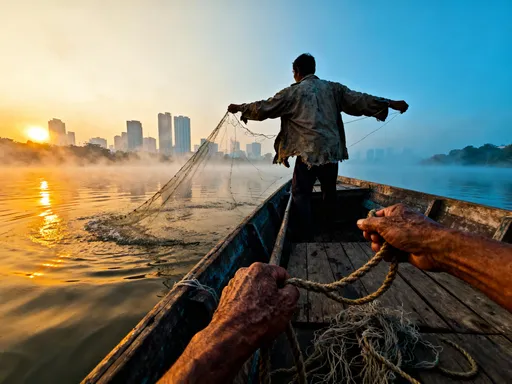
The Great Barrier Reef is often celebrated as a marine marvel, but its influence extends far beyond the water’s edge. In cities like Cairns, Townsville, and Innisfail, life unfolds in constant dialogue with the sea. The reef is not merely a destination for tourists—it is a foundational element of identity, economy, and daily rhythm. Fishing boats return at first light, unloading catches that will later appear on market stalls and restaurant menus. Schoolchildren learn about coral ecosystems in classrooms shaded by palm trees. Even city festivals often mirror tidal cycles, timed to coincide with full moons or spawning seasons. This deep integration of nature and urban life defines what can be called 'coastal urbanism'—a way of building and living that respects ecological limits while nurturing cultural vibrancy.
What sets these towns apart is their dual role as both stewards and beneficiaries of the reef. They serve as logistical hubs for marine research, diving expeditions, and conservation efforts, yet they also maintain a grounded, community-centered way of life. Unlike resort islands that cater exclusively to visitors, these coastal cities have enduring local populations whose traditions are interwoven with the ocean. Families gather at waterfront parks in the evenings, children splash in man-made lagoons, and elders share stories of ancestral connections to the sea. The presence of the reef is felt not just through tourism but through language, diet, art, and seasonal celebrations that reflect a lived relationship with the marine environment.
Urban planning in these areas increasingly recognizes this symbiosis. Rather than treating the reef as a separate entity, city leaders are embracing policies that integrate ecological awareness into infrastructure, education, and public space design. For instance, stormwater systems are engineered to minimize runoff into the reef, and building codes encourage materials that reduce heat absorption and light pollution. These measures are not only environmentally sound but also reinforce a collective identity rooted in care for the natural world. As climate change and rising sea levels pose growing challenges, the resilience of these communities becomes even more vital—not just for their own survival, but for the future of the reef itself.
Built to Breathe: Tropical Architecture and Public Spaces
Walking through the streets of Cairns or Townsville, one quickly notices how architecture responds to the tropical climate. Buildings are designed not for grandeur, but for comfort—elevated on stilts to catch breezes, shaded by wide verandas, and oriented to maximize airflow. Windows are large and louvered, allowing cross-ventilation without sacrificing privacy. Roofs slope steeply to shed heavy rains, and outdoor living spaces—whether balconies, courtyards, or covered patios—are treated as essential rooms, not afterthoughts. This architectural philosophy reflects generations of adaptation to heat, humidity, and monsoon seasons, blending practicality with aesthetic simplicity.
Public spaces follow the same principles. The Esplanade Lagoon in Cairns, for example, is a centerpiece of urban design—a saltwater swimming lagoon surrounded by grassy lawns, shaded walkways, and picnic areas. It offers a safe, refreshing alternative to ocean swimming while maintaining a strong visual and physical connection to the sea. Families gather here in the late afternoon, children paddle under watchful eyes, and joggers circle the perimeter as the sun dips below the horizon. The space is intentionally low-key: no loud music, no commercial rides, just open access to water, shade, and community. This deliberate restraint enhances inclusivity, making it a place where retirees, young parents, and backpackers can coexist comfortably.
Markets, plazas, and boardwalks are similarly designed to invite lingering. The Cairns Esplanade Night Market unfolds beneath rows of rain trees, their canopies filtering sunlight during the day and streetlights at night. Stalls are temporary and modular, allowing flexibility while preserving sightlines to the marina. Seating is abundant and varied—benches, steps, low walls—encouraging spontaneous conversations and people-watching. These design choices reflect a broader ethos: that public life thrives when it is comfortable, accessible, and visually connected to nature. In doing so, tropical urbanism becomes more than an architectural style—it becomes a social philosophy, one that values ease, openness, and shared experience.
Indigenous Footprints in Modern Streets
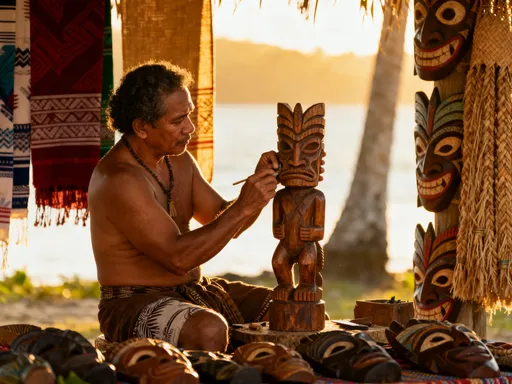
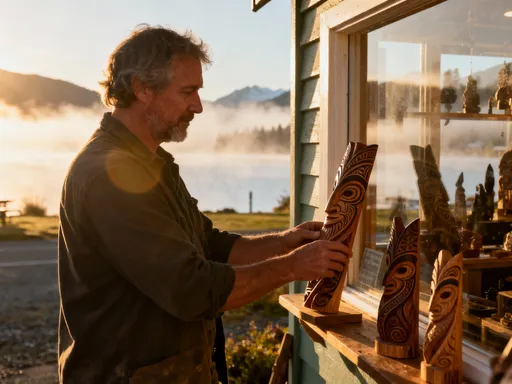
The lands on which Cairns and Townsville stand have been home to Aboriginal and Torres Strait Islander peoples for tens of thousands of years. Today, their presence is visible throughout the urban landscape—not as relics of the past, but as living, evolving expressions of culture. Street signs bear dual names, such as Gunggandji or Wulgurukaba, acknowledging the original custodians of the region. Public art installations—carved poles, painted murals, and sculptural forms—pay tribute to Dreaming stories and ancestral beings. These are not token gestures, but meaningful integrations of Indigenous identity into the fabric of modern city life.
Cultural centers like the Tjapukai Aboriginal Cultural Park near Cairns offer immersive experiences that educate visitors and locals alike. Performances of traditional dance, demonstrations of fire-making and boomerang throwing, and storytelling sessions provide insight into worldviews that emphasize balance, reciprocity, and connection to Country. These programs are led by Indigenous elders and knowledge holders, ensuring authenticity and respect. Meanwhile, schools and libraries host workshops on language and land management, reinforcing the idea that cultural preservation is a shared responsibility.
Festivals also serve as powerful platforms for cultural expression. The annual Cairns Indigenous Art Fair brings together artists from across the Torres Strait and northern Australia, transforming the city into a gallery of contemporary and traditional works. Murals appear on city walls, didgeridoo music echoes along the wharf, and woven installations hang in public plazas. These events do more than celebrate heritage—they assert the ongoing relevance of Indigenous knowledge in shaping sustainable futures. As urban development continues, many communities are advocating for greater inclusion in planning decisions, ensuring that growth does not come at the expense of cultural integrity.
Markets, Murals, and Music: The Soul of the Streets
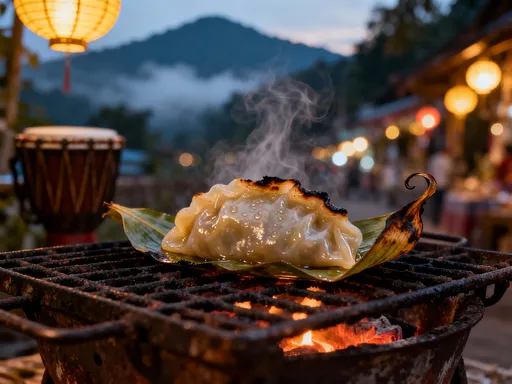
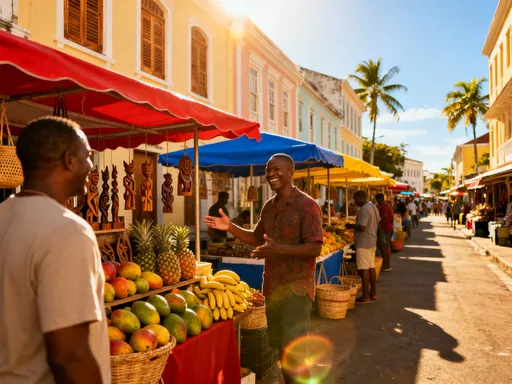
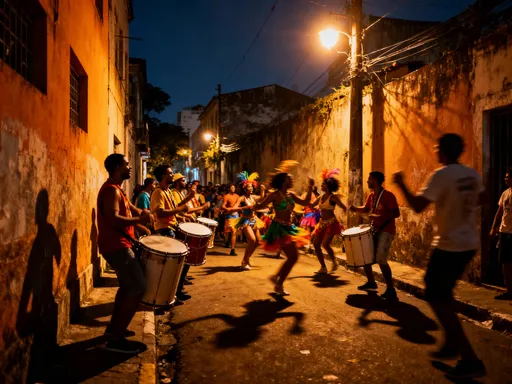
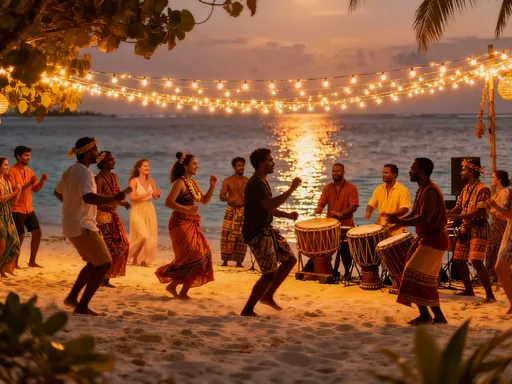
If the architecture defines the bones of these coastal towns, then the street culture provides the heartbeat. Weekly markets, open-air concerts, and rotating art displays create a dynamic urban atmosphere where creativity and community intersect. The Cairns Night Market is perhaps the most iconic example—a sprawling bazaar that fills several blocks every evening, offering everything from tropical fruit smoothies to hand-carved souvenirs. But beyond commerce, it functions as a social stage: musicians play acoustic sets near food stalls, dancers perform impromptu routines, and locals meet friends under string lights. The energy is festive but never overwhelming, commercial but deeply personal.
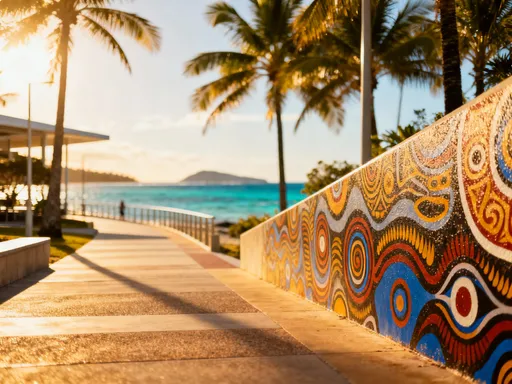
Art is everywhere. Along the Cairns waterfront, a series of murals depicts marine life, Indigenous symbols, and tropical flora in vibrant colors. These are not commissioned by distant bureaucrats but often created in collaboration with local artists and school groups. Some walls change seasonally, reflecting themes like reef conservation or cultural celebration. This fluid approach to public art keeps the city visually engaging and emotionally resonant. Similarly, busking is not only permitted but encouraged in designated zones, allowing emerging musicians to share their talents without barriers. The sound of steel drums, acoustic guitar, or didgeridoo drifts through the air, adding an auditory layer to the urban experience.
What makes these cultural expressions so effective is their accessibility. Unlike formal galleries or concert halls, which can feel exclusive, these spaces are open to all. A grandmother sells homemade jams at the same market where a teenager displays handmade jewelry. A street painter works beside a chef grilling fresh seafood. There is no hierarchy of value—only participation. This democratic spirit fosters a sense of ownership among residents, who see the city not as something imposed from above, but as a shared project. In this way, culture is not something to be consumed, but something to be lived.
Getting Around the Littoral Zone: Walkability and Water Transit
Mobility in these coastal towns reflects their geography and values. Unlike sprawling metropolises dependent on cars, Cairns and Townsville are compact, linear cities that follow the curve of the coastline. This layout naturally encourages walking, cycling, and public transport use. Wide footpaths shaded by trees line the esplanades, connecting beaches, parks, markets, and residential areas. Bike lanes are increasingly common, and rental stations make two-wheel travel convenient for both locals and visitors. The emphasis is on slow, human-scale movement—on seeing and being seen, on encountering neighbors and noticing changes in the tides.
Water-based transit adds another dimension. Ferries run regularly between Cairns and nearby islands like Green Island and Fitzroy Island, offering both practical transportation and scenic journeys. These services are reliable, affordable, and integrated into the regional transit system, allowing seamless transfers between boat, bus, and foot. For many residents, especially those working in tourism or marine conservation, ferry commuting is a daily reality. Even within the city, floating walkways and boardwalks extend the pedestrian network over wetlands and marinas, blurring the boundary between land and water.
This multimodal approach reduces traffic congestion and lowers carbon emissions, but its benefits go beyond sustainability. By minimizing car dependency, these towns foster greater social interaction. People are more likely to stop and chat when they’re not enclosed in vehicles. Parents feel safer letting children walk to school. Tourists explore more deeply when they’re not confined to tour buses. Urban planners have recognized this and are investing in connectivity—expanding pathways, improving lighting, and creating rest points with seating and shade. The goal is not just efficient movement, but enriched experience. In a place where the environment is so central to identity, how people move through space becomes part of the cultural narrative.
Challenges of Growth: Preserving Culture Amid Development
As tourism grows and housing demand rises, these coastal towns face increasing pressure to expand. High-rise apartments, shopping complexes, and expanded marinas are reshaping skylines once defined by low-rise, nature-integrated design. While development brings economic opportunity, it also risks eroding the very qualities that make these places special—walkability, cultural authenticity, and environmental harmony. The challenge lies in balancing progress with preservation, ensuring that modernization does not come at the cost of soul.
Some cities are responding with thoughtful planning. Cairns, for example, has implemented zoning regulations that limit building heights near the waterfront, preserving sightlines to the sea and maintaining the human scale of the esplanade. Heritage overlays protect culturally significant sites, while environmental assessments are required for any project near sensitive ecosystems. Community consultation is increasingly standard, giving residents a voice in decisions that affect their neighborhoods. These measures help prevent unchecked development and ensure that growth aligns with local values.
At the same time, there is growing recognition that cultural preservation must be proactive, not just reactive. Initiatives like artist-in-residence programs, Indigenous-led design workshops, and cultural impact assessments are being integrated into urban projects. Developers are encouraged—even required in some cases—to incorporate public art, green spaces, and local materials into their plans. The aim is to create buildings that do not just occupy space, but contribute to it. In this way, new construction can become part of the cultural story, rather than a disruption of it. The success of these efforts will depend on sustained collaboration between government, community groups, and private stakeholders.
Why This Matters: Cities as Cultural Keepers of the Reef
The future of the Great Barrier Reef depends not only on scientific intervention and global climate action but also on the vitality of the communities that live beside it. These coastal towns are more than service centers for tourists—they are cultural keepers, educators, and everyday guardians of a fragile ecosystem. When children grow up learning Indigenous stories about sea turtles, when families choose reef-safe sunscreen, when artists create works inspired by coral patterns, they are participating in a form of stewardship that is both personal and powerful.
Thriving urban cultures strengthen conservation efforts by fostering local pride and responsibility. People protect what they love, and they love what they know. By maintaining vibrant public spaces, honoring Indigenous knowledge, and designing cities that breathe with the rhythm of the tropics, these towns create conditions for deep, lasting connection to place. This emotional and cultural investment translates into real-world action—volunteering for beach cleanups, supporting sustainable businesses, advocating for environmental policies.
Looking ahead, the evolution of these towns offers a model for coastal cities worldwide. In an era of rising seas and intensifying climate impacts, the lessons of Cairns and Townsville—adaptability, community engagement, cultural continuity—become increasingly relevant. The integration of nature, culture, and urban life is not a luxury, but a necessity. As we navigate an uncertain future, the quiet resilience of these tropical towns reminds us that progress does not require erasing the past. Instead, it can grow from it—rooted in tradition, open to innovation, and always listening to the tide.