You Won’t Believe These Hidden Cultural Gems in Osaka
Osaka is often celebrated for its street food and neon lights, but beyond the buzz lies a quieter, deeper side. I discovered traditional crafts, centuries-old rituals, and local neighborhoods where time moves differently. This isn’t the Osaka most tourists see—but it’s the one they should. These authentic cultural experiences reveal the soul of the city, far from the crowds and clichés. While many flock to Dotonbori for takoyaki and flashy billboards, a more enduring Osaka unfolds in alleyway shrines, family-run workshops, and seasonal neighborhood festivals. This is a city that honors progress without sacrificing tradition, where modern life coexists with centuries-old customs in subtle, meaningful ways.
Beyond Dotonbori: The Osaka Few Tourists See
When travelers think of Osaka, images of sizzling grills, towering signs, and bustling crowds in Dotonbori often come to mind. It’s a vibrant introduction, no doubt, but one that captures only a fraction of the city’s identity. The real depth of Osaka lies in its quieter corners—neighborhoods where life unfolds at a human pace, where shopkeepers greet regulars by name, and where traditions are lived rather than performed. Most visitors follow well-worn paths shaped by guidebooks and social media, which prioritize spectacle over substance. As a result, they miss the enduring rhythms of daily life that define Osaka’s cultural heart.
Seeking out these lesser-known experiences transforms travel from passive observation into active connection. Instead of watching culture from a distance, travelers can participate in it—whether by joining a local tea gathering, learning a craft from a master artisan, or walking through a centuries-old temple complex in morning light. These moments foster empathy and understanding, bridging cultural gaps in ways that no museum exhibit can. For women in their 30s to 55s, who often travel with intention and a desire for meaningful experiences, this kind of immersion is especially rewarding. It’s not about ticking off landmarks, but about returning home with a deeper sense of place and personal enrichment.
Osaka’s quieter districts offer a counterbalance to its energetic reputation. Here, history isn’t confined to glass cases—it’s in the wooden beams of old townhouses, the scent of incense in hidden courtyards, and the rhythm of festivals that have marked community life for generations. By choosing to explore beyond the highlights, travelers gain access to a more authentic narrative—one that reflects resilience, continuity, and the quiet pride of a city that values both innovation and heritage.
Shinsekai and Beyond: A Glimpse into Showa-Era Culture
Just a short walk from the modern sprawl of Namba lies Shinsekai, a neighborhood frozen in time. Its name means “New World,” a hopeful vision from 1912 when it was designed as Osaka’s answer to Coney Island. Though it never became the futuristic utopia once imagined, Shinsekai has evolved into something more enduring—a living archive of Showa-era (1926–1989) Japan. At its center stands Tsutenkaku Tower, a retrofitted steel structure that once symbolized technological ambition. Today, it’s a nostalgic landmark, its neon-lit frame glowing like a vintage postcard.
The streets around the tower are lined with old-fashioned shops selling handmade snacks, vintage toys, and retro clothing. Kushi-katsu stalls—where skewered meats and vegetables are deep-fried to golden perfection—have operated for decades, their counters worn smooth by generations of diners. These aren’t tourist traps; they’re community institutions, where locals gather after work or on weekends for a taste of comfort and continuity. The air hums with the sizzle of oil, the chatter of neighbors, and the occasional jingle of an old-fashioned door chime.
Nearby, traditional bathhouses like Tsutenkaku Yu offer a glimpse into Japan’s public bathing culture. These sento are more than places to clean—they’re social hubs where people unwind, share stories, and maintain a ritual that has long been part of urban life. While some have closed due to modernization, others endure thanks to loyal patrons and family stewardship. Visiting one requires modesty and respect, but the experience is deeply grounding. For women travelers, especially those interested in daily life and wellness traditions, a visit to a neighborhood sento can be a quiet revelation.
Shinsekai also houses small museums and galleries that honor local artisans and musicians from the mid-20th century. These spaces, often overlooked, preserve photographs, instruments, and personal artifacts that tell the story of a generation shaped by postwar recovery and cultural reinvention. Walking through Shinsekai is like stepping into a different era—not because it’s stuck in the past, but because it refuses to erase it. It’s a testament to Osaka’s ability to honor history without being bound by it.
Hidden Temples and Quiet Shrines: Spiritual Osaka
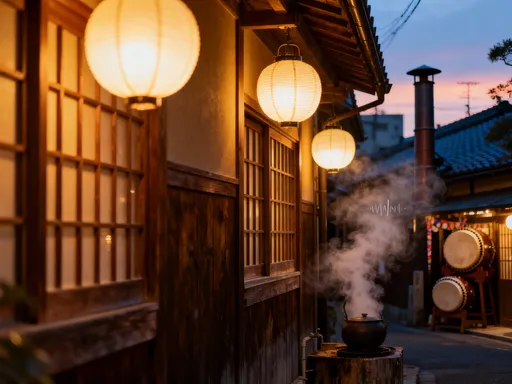
While Kyoto is famed for its temples, Osaka holds its own in spiritual depth, often in more intimate and accessible ways. Shitenno-ji, founded in 593 by Prince Shotoku, is one of Japan’s oldest officially administered Buddhist temples. Unlike the grander complexes in Kyoto, Shitenno-ji blends into the urban fabric of Tennoji ward, its five-story pagoda rising above commuter trains and local markets. Yet within its grounds, silence prevails. Visitors remove their shoes before entering the main hall, where sunlight filters through paper screens and the scent of sandalwood lingers in the air.
The temple follows a daily ritual cycle—morning chants, incense offerings, and sutra readings—led by monks whose lives are dedicated to continuity and contemplation. For visitors, observing these practices offers a rare window into the quiet discipline of Japanese Buddhism. There are no loud announcements or crowds pushing for photos; instead, there’s space to pause, reflect, and absorb. Women travelers, many of whom seek balance and mindfulness, often find these moments particularly resonant.
Another hidden gem is Hozen-ji Temple, tucked into a narrow alley in Namba. Surrounded by modern restaurants and bars, this small stone temple feels like a secret. Its moss-covered Fudo Myo-o statue, constantly misted by a dripping water spout, has been worshipped for over 300 years. Locals stop by to pour water over the statue as an act of purification and gratitude—a simple gesture that connects them to centuries of devotion. The contrast between the temple’s serenity and the lively district around it is striking, yet harmonious. It’s a reminder that in Osaka, sacred and secular coexist without conflict.
Other quiet shrines, like Imamiya Ebisu Shrine, host seasonal rituals that draw local families. During the New Year’s Toshigami-sama festival, women and children dress in traditional attire, offering rice cakes and prayers for health and prosperity. These moments aren’t staged for tourists; they’re lived traditions, passed down through generations. For visitors, witnessing them is a privilege—one that requires quiet observation and respect. By visiting these spaces with mindfulness, travelers honor not just the sites themselves, but the communities that sustain them.
Traditional Crafts in Local Workshops
Osaka’s artisan heritage thrives in small studios and community centers where traditional crafts are kept alive through patient hands and generational knowledge. In districts like Tennoji and Namba, visitors can step into workshops dedicated to indigo dyeing, washi papermaking, and ceramics—crafts that once supplied daily needs and now serve as bridges to cultural memory. These experiences are not demonstrations behind glass; they invite participation, offering a tactile connection to history.
Indigo dyeing, or aizome, is one of the most accessible and rewarding crafts to try. In a quiet studio tucked above a local market, women can learn to fold, bind, and dip cloth into vats of natural indigo, creating patterns that range from simple stripes to intricate shibori designs. The process is meditative, requiring focus and care. As the fabric emerges from the dye bath, shifting from green to deep blue upon exposure to air, there’s a sense of wonder—an alchemy rooted in nature and tradition. Many participants leave with a handmade tenugui, a thin cotton towel used in daily life, now personalized and meaningful.
Washi papermaking offers another intimate experience. Using mulberry fibers and wooden molds, visitors learn to form sheets of paper by hand, feeling the pulp settle into delicate layers. The result is not just a souvenir, but a lesson in patience and precision. These papers are still used in calligraphy, lanterns, and packaging, linking past and present in everyday objects. Some workshops also teach folding techniques for origami or paper lanterns, skills once taught in schools and homes across Japan.
Pottery classes in Osaka often focus on functional ware—bowls, teacups, and plates—reflecting the city’s emphasis on practical beauty. Under the guidance of a master potter, participants shape clay on a wheel or hand-build pieces using traditional methods. The process is grounding, connecting the body to earth and rhythm. After firing, these items become usable art, carrying the imprint of the maker’s hands. Supporting these workshops isn’t just about learning a skill—it’s about sustaining a culture that values craftsmanship over mass production.
Living Culture in Neighborhood Festivals
In Osaka, culture isn’t confined to museums or performance halls—it spills into the streets during local matsuri, or festivals. While the grand Danjiri Matsuri in Kishiwada draws international attention, smaller neighborhood versions take place throughout the city in districts like Taisho and Ikuno. These events are less about spectacle and more about community, where families gather, children wear miniature yukata, and portable shrines are carried through familiar streets.
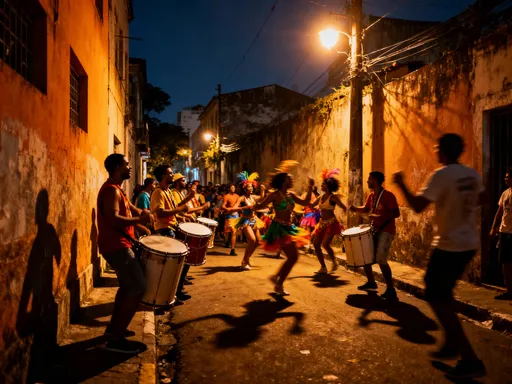
The atmosphere is joyful yet intimate. Drums echo down residential lanes, and flutes weave melodies through the air. Men and women, dressed in matching happi coats, pull ornate wooden floats with ropes, their chants rising in unison. Unlike commercialized parades, these festivals are organized by local associations, funded by residents, and rooted in prayers for safety, harvest, and well-being. Food stalls line the route, offering regional specialties—grilled squid, sweet potatoes, and amazake, a sweet fermented rice drink often served at family events.
For women travelers, attending a neighborhood matsuri offers a rare glimpse into the social fabric of Osaka. It’s not uncommon for visitors to be invited to join the dancing, try a hand at pulling a float, or share a meal with a local family. These interactions are spontaneous and genuine, built on shared celebration rather than transaction. Children hand out paper fans or small treats, elders smile in recognition, and everyone moves to the same rhythm. It’s a reminder that culture is not something to be observed from afar, but something lived collectively.
These festivals also preserve intangible heritage—songs, dances, and rituals passed down orally and through practice. Some neighborhoods maintain specific musical styles or costume designs unique to their area. By participating, even as a quiet observer, travelers help sustain the visibility of these traditions. And for families traveling with children, these events offer a joyful, educational experience that blends fun with cultural learning.
The Art of Everyday Life: Tea, Textiles, and Townhouses
Culture in Osaka is not reserved for special occasions—it lives in the details of daily life. In quiet machiya, or traditional townhouses, women can participate in tea ceremonies led by local practitioners. These gatherings are not formal performances but informal moments of connection, where the preparation of matcha becomes a meditation on presence and care. The tatami rooms, with their low tables and sliding doors, create a sense of intimacy and calm. Every movement—from the folding of the cloth to the turning of the bowl—follows a silent language of respect and harmony.
Textiles are another thread that runs through Osaka’s cultural fabric. Local shops in shopping arcades sell hand-dyed tenugui, furoshiki wrapping cloths, and vintage kimonos, each piece telling a story through pattern and color. Some stores offer short workshops where visitors can learn basic dyeing or folding techniques, turning a shopping trip into a creative experience. These textiles are more than decorative; they reflect seasonal changes, local folklore, and personal expression.
Family-run inns, or minshuku, offer another way to experience daily life. Unlike large hotels, these small accommodations are often managed by couples or extended families who share meals, recommend local spots, and offer insights that no guidebook can. Staying in a machiya-turned-guesthouse allows travelers to sleep in a historic building, wake to the sound of a nearby market, and start the day with homemade breakfast featuring local ingredients. It’s a slower, more personal way to travel—one that prioritizes connection over convenience.
Even the architecture tells a story. Wooden lattices, earthen walls, and tiled roofs are not just aesthetic choices; they reflect climate adaptation, craftsmanship, and a philosophy of impermanence and renewal. Walking through older districts, one notices how modern life integrates with these structures—convenience stores in renovated townhouses, cafes in former warehouses. This blending of old and new is not jarring; it’s natural, a reflection of Osaka’s pragmatic yet respectful approach to change.
How to Find and Respect Osaka’s Hidden Culture
Discovering Osaka’s hidden cultural gems requires curiosity, patience, and a willingness to step off the main streets. The best approach is to start small—visit a local market in the morning, strike up a conversation at a neighborhood café, or attend a community event advertised on a bulletin board. Small-group cultural tours, led by local residents, offer structured yet personal introductions to crafts, temples, and festivals. These tours often include translation and context, making them accessible even to those with limited Japanese.
Timing matters. Visiting temples and workshops during off-peak hours—early morning or weekday afternoons—ensures a more peaceful experience and greater opportunity for interaction. Avoiding major holidays and peak tourist seasons also helps reduce crowding and allows for more authentic engagement. When attending festivals or sacred events, dressing modestly and observing quietly shows respect. Removing shoes when required, refraining from loud conversation, and asking permission before photographing people are small gestures that go a long way.
Learning a few basic Japanese phrases—such as “sumimasen” (excuse me), “arigatou gozaimasu” (thank you), and “shizukani onegaishimasu” (please be quiet)—can open doors and create goodwill. Locals appreciate the effort, even if the pronunciation isn’t perfect. For women travelers, these simple acts of respect often lead to warm, unexpected interactions—invitations to tea, recommendations for hidden eateries, or stories shared over a bench in a quiet park.
Most importantly, travelers should approach these experiences with humility and openness. This is not about collecting photos or checking boxes, but about being present. It’s about listening to the rhythm of a neighborhood, noticing the details in a handmade object, or sharing a moment of silence in a temple courtyard. These are the experiences that linger long after the trip ends—not because they were grand, but because they were real.
Osaka’s true magic isn’t in its headlines—it’s in the quiet moments between them. By stepping off the beaten path, travelers don’t just see culture; they live it. These hidden experiences don’t just deepen a trip—they change how we understand a place. The real Osaka waits for those willing to look beyond the surface.