This Hidden Mountain Trail in Nuwara Eliya Will Steal Your Breath
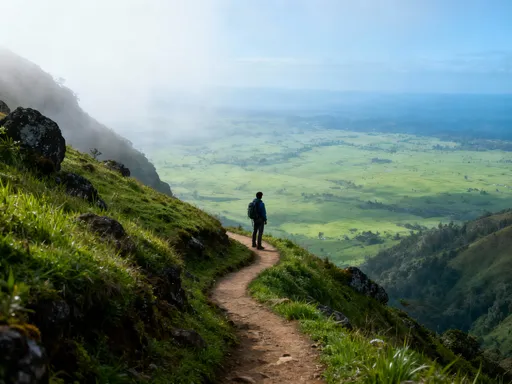
You know that feeling when nature just hits you in the face with pure beauty? That’s exactly what happened when I stepped onto the quiet trails of Nuwara Eliya’s protected highlands. Nestled in Sri Lanka’s misty hills, this isn’t just tea country — it’s a wild, green sanctuary. With every hike through its untouched forests and open plateaus, I discovered something unexpected: peace, clarity, and landscapes so fresh they feel unreal. If you're craving real escape, this is where to find it.
Why Nuwara Eliya’s Protected Highlands Are Worth the Journey
Situated in the heart of Sri Lanka’s central highlands, Nuwara Eliya is often celebrated for its colonial charm and sprawling tea estates. But beyond the manicured gardens and vintage bungalows lies a quieter, more profound world — one preserved within protected natural zones such as Horton Plains National Park and the Hakgala Strict Nature Reserve. These areas are not just scenic backdrops; they are vital ecosystems safeguarding some of the island’s most unique biodiversity. Recognized as a UNESCO World Heritage Site under the Central Highlands designation, this region hosts rare flora and fauna found nowhere else on Earth, including the endangered Sri Lankan leopard and the endemic shrub frog.
What sets these highland reserves apart is their commitment to conservation through responsible tourism. Unlike more developed hill stations where infrastructure encroaches on natural spaces, places like Horton Plains limit daily visitor numbers and enforce strict trail guidelines to minimize environmental impact. This balance allows travelers to experience raw, unfiltered nature while ensuring the land remains intact for future generations. Trails wind through montane cloud forests, past crystal-clear streams, and across expansive grasslands blanketed in morning dew — all within a protected framework that prioritizes ecological integrity over commercial gain.
For the modern traveler, especially women between 30 and 55 who value both tranquility and purpose in their journeys, these highlands offer something increasingly rare: authenticity. There’s no need to navigate crowded souvenir markets or endure noisy tour groups. Instead, the rhythm of life here follows the patterns of nature — the slow unfurling of mist at sunrise, the distant call of a whistling thrush, the soft crunch of gravel underfoot. It’s an invitation to slow down, breathe deeply, and reconnect with what truly matters.
Moreover, the elevation — averaging over 1,800 meters above sea level — contributes to a cool, refreshing climate year-round, making it an ideal retreat from the tropical heat below. The air is crisp, often scented with wild herbs and damp earth, and the sense of spaciousness is immediate. Whether you’re drawn by the promise of panoramic views or the simple joy of walking through a living forest, the protected highlands of Nuwara Eliya deliver an experience that is as restorative as it is awe-inspiring.
Choosing the Right Trail: Matching Your Fitness and Interests
One of the greatest strengths of the Nuwara Eliya highlands is the variety of trails available, each offering distinct landscapes and levels of challenge. For those new to hiking or traveling with family, the path to Baker’s Falls provides a gentle introduction. This 3.5-kilometer round-trip walk meanders through shaded woodland and opens onto a serene 20-meter waterfall surrounded by moss-covered boulders and ferns. The trail is well-maintained, mostly flat, and takes about 90 minutes to complete, making it perfect for a relaxed morning outing. Along the way, hikers can pause to listen to the chatter of yellow-eared bulbuls or spot the flash of a crimson-fronted barbet darting between branches.
For a more demanding but deeply rewarding adventure, the World’s End trail in Horton Plains is unmatched. This 9.5-kilometer loop begins at the park entrance and climbs gradually through montane forest before emerging into vast patanas — high-altitude grasslands dotted with rhododendrons and dotted with dew-kissed spiderwebs at dawn. The final stretch leads to the dramatic cliff edge known as World’s End, where the land drops nearly 880 meters into the valley below. On clear mornings, visibility stretches for miles, revealing layered hills fading into soft blue haze. While the full loop takes around 3 to 4 hours, most hikers spend extra time at the viewpoint, absorbing the silence and scale of the landscape.
Another option worth considering is the quieter route through the Hakgala Botanical Garden and into the adjacent nature reserve. Less frequented than Horton Plains, this trail offers a blend of cultivated beauty and wild terrain. It begins among ornamental plantings — roses, hydrangeas, and towering eucalyptus — then transitions into native forest where tree trunks vanish into low-hanging clouds. This path is ideal for those who enjoy botanical diversity and a slower pace, with opportunities to observe orchids clinging to bark and hear the haunting call of the Sri Lanka whistling thrush echoing through the canopy.
When selecting a trail, it’s important to assess personal fitness and comfort with elevation. While none of these routes require technical climbing skills, the altitude can affect breathing, especially for visitors arriving from lower elevations. Starting early in the day helps conserve energy, as temperatures rise slightly by mid-morning. Solo hikers may appreciate joining small guided groups for added safety and companionship, while couples or friends might prefer the intimacy of walking together in quiet reflection. Regardless of choice, every trail in this region promises moments of stillness and beauty that linger long after the journey ends.
What to Pack: Essentials for a Safe and Comfortable Hike
Preparation is key to enjoying any highland hike, and what you carry in your backpack can make the difference between a pleasant experience and a challenging one. The climate in Nuwara Eliya’s protected areas is unpredictable — sunny mornings can give way to sudden showers, and temperatures often drop sharply in the shade or at higher elevations. Layered clothing is essential. Begin with a moisture-wicking base layer, add a lightweight fleece or insulated jacket, and top it off with a waterproof windbreaker. This system allows you to adjust easily as conditions change throughout the day.
Footwear is equally critical. Sturdy hiking shoes with good ankle support and non-slip soles are highly recommended, especially on the World’s End trail where sections can be rocky and slippery after rain. Avoid cotton socks, which retain moisture and increase the risk of blisters; instead, opt for wool or synthetic blends designed for hiking. A wide-brimmed hat offers protection from both sun and drizzle, while gloves can be surprisingly useful during early morning starts when the air feels crisp and thin.
Hydration is another priority. Carry at least one liter of water per person, and consider bringing a portable water purifier or filtration straw, as natural streams, while tempting, should not be consumed without treatment. Energy-rich snacks like nuts, dried fruit, granola bars, or sandwiches in reusable containers provide sustained fuel without adding waste. Many hikers also appreciate a small thermos with warm tea or coffee — a comforting ritual during rest stops, particularly when sitting at World’s End as the mist clears.
Other essentials include sunscreen (UV exposure increases at altitude), insect repellent (especially in wooded areas), and a basic first-aid kit with blister treatment, antiseptic wipes, and pain relievers. A compact backpack with padded straps ensures comfort over several hours of walking. While smartphones often work near trailheads, service fades quickly in deeper forest zones, so downloading offline maps or carrying a physical trail guide is wise. Finally, always pack out everything you bring in — including food wrappers and tissues — to uphold the principle of minimal environmental impact.
The Best Time to Go: Weather, Crowds, and Wildlife Activity
Timing your visit to Nuwara Eliya’s highlands can significantly enhance your experience, both in terms of comfort and what you’re likely to see. The optimal months for hiking are December through March, when the region enjoys its dry season. During this period, rainfall is minimal, skies are clearer, and trail conditions are generally firm and safe. Early morning hikes are particularly rewarding, as fog tends to burn off by mid-morning, revealing unobstructed views across the valleys. This window also coincides with peak visibility at World’s End, where the dramatic drop-off feels even more profound under bright sunlight.
Another advantage of visiting in the dry months is increased wildlife activity. At dawn, the forests come alive with bird calls — the loud, rhythmic cry of the Sri Lanka magpie, the soft cooing of the Sri Lanka wood pigeon, and the sharp alarm note of the Indian cuckoo. With patience and quiet movement, hikers may glimpse the purple-faced langur, a rare primate that swings through the treetops in small family groups. The elusive Sri Lankan sambar deer, one of the largest deer species in Asia, sometimes emerges from the underbrush near water sources, especially in the cooler hours of morning and late afternoon.
While these months attract more visitors, arriving at the park entrance by 6:00 or 6:30 a.m. allows you to get ahead of the crowds. Most tourist groups arrive later, around 9:00 a.m., meaning the early hours belong almost entirely to those willing to rise with the sun. This quiet time offers a meditative quality — the only sounds being footsteps on gravel, the rustle of leaves, and the occasional call of a distant bird. It’s during these moments that the true essence of the highlands reveals itself: not as a destination, but as a living, breathing presence.
Travelers should exercise caution during the intermonsoonal periods (April–May and October–November), when sudden thunderstorms are common. Afternoon fog can reduce visibility to just a few meters, especially near escarpments, making navigation difficult even on marked trails. The wet season (June to September) brings heavier rains that can make paths muddy and slippery, increasing the risk of falls. While the landscape becomes lush and green during this time, safety should always take precedence over scenery. For those determined to visit during monsoon months, sticking to shorter, lower-elevation trails like the Baker’s Falls path is advisable.
Navigating the Trails: Signage, Guides, and Safety Tips
Trail navigation in Nuwara Eliya’s protected areas has improved significantly in recent years, thanks to ongoing conservation efforts and infrastructure upgrades. Key routes such as the World’s End loop and the Baker’s Falls trail are marked with painted signs, numbered posts, and directional arrows at junctions. These markers are typically placed at eye level and written in both English and Sinhala, making them accessible to international visitors. However, fog and heavy rain can obscure visibility, so relying solely on signage is not recommended, especially for first-time hikers.
For greater confidence and deeper insight, hiring a local guide is an excellent choice. Many certified guides operate out of Nuwara Eliya town or near park entrances, offering services in English and sometimes in other languages. Beyond helping with navigation, these guides enrich the experience by pointing out subtle details — the medicinal use of a particular plant, the nesting habits of a rare bird, or the geological history of the plateau. Their knowledge transforms a simple walk into an educational journey, deepening appreciation for the ecosystem.
Safety on the trails begins with awareness. Certain sections, particularly near World’s End and Mini World’s End, have no railings or barriers, and the drop-offs are extremely steep. Parents with young children and individuals uncomfortable with heights should proceed with caution and stay well behind the edge. Slippery rocks, especially after rain, pose another common hazard. Using trekking poles can improve balance, and taking slow, deliberate steps reduces the risk of injury.
Altitude, while not extreme, can affect some visitors, particularly those coming from sea level. Symptoms like mild dizziness or shortness of breath are not uncommon during the first few hours. To minimize these effects, it’s wise to spend a day acclimatizing in Nuwara Eliya before attempting longer hikes. Drinking plenty of water, eating light meals, and pacing oneself go a long way toward ensuring a comfortable experience. Above all, staying on marked paths is not just a safety measure — it’s an ethical one. Straying off-trail damages fragile vegetation and disturbs wildlife habitats that have taken decades to recover.
Beyond the Hike: Connecting with Nature and Local Culture
The true magic of hiking in Nuwara Eliya’s highlands often lies not in the destination, but in the moments between steps. It’s in the way sunlight filters through a canopy of trees, casting dappled patterns on the forest floor. It’s in the sudden silence that follows a bird’s call, or the soft roll of mist over a distant ridge at dawn. These are the experiences that stay with you — not as photographs, but as feelings. For many women in their 30s to 50s, who often juggle family, work, and personal well-being, such moments of presence are rare and precious.
While the trails themselves are remote, signs of human life are never far. In the early hours, you may see tea pluckers making their way along narrow footpaths, baskets strapped to their backs, moving with quiet efficiency through the rows of tea bushes. A wave from a distance, a soft “good morning” exchanged — these small interactions carry warmth without intrusion. Some hikers choose to visit a village-run tea stall after their walk, where fresh brew is served in clay cups and conversation flows gently. These encounters, when approached with respect and humility, deepen the journey, reminding us that nature and community are intertwined.
Local culture here is rooted in stewardship. Generations have lived in harmony with these hills, tending tea estates and protecting forest edges. By supporting small-scale vendors, respecting private property, and avoiding loud behavior on trails, visitors contribute to a culture of care. It’s not about becoming part of the community, but about honoring its rhythms and boundaries. This quiet reciprocity enhances the sense of connection — not just to a place, but to a way of being that values balance and simplicity.
Leaving No Trace: How to Hike Responsibly in a Fragile Ecosystem
The beauty of Nuwara Eliya’s highlands is fragile, shaped by centuries of natural processes and decades of conservation work. Every footprint, every piece of litter, every off-trail detour has an impact. That’s why responsible hiking isn’t just a recommendation — it’s a responsibility. The principle of “Leave No Trace” is especially critical in these protected areas, where ecosystems recover slowly from disturbance. Staying on marked trails prevents soil erosion and protects delicate plant life, including rare mosses and lichens that take years to grow.
Waste management is another crucial aspect. All trash — including biodegradable items like fruit peels — should be carried out. While an apple core may seem harmless, introducing foreign organic matter can disrupt local decomposition cycles and attract animals to human food sources. Similarly, using reusable water bottles, food containers, and utensils minimizes plastic waste, which often ends up polluting streams or harming wildlife. Even seemingly small actions, like avoiding loud music or keeping voices low, help preserve the natural soundscape that so many come to experience.
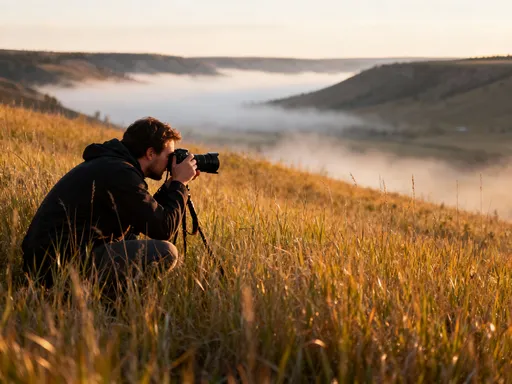
Photography, while a natural part of any journey, should also be practiced with mindfulness. Drones are prohibited in national parks and nature reserves, and for good reason — their noise disturbs birds and other animals. Getting close to wildlife for a better shot can stress animals and alter their behavior. The best images often come from patience and distance, capturing moments as they unfold naturally.
Ultimately, hiking in this region is about more than personal enjoyment. It’s about recognizing that we are temporary guests in a landscape that existed long before us and must endure after we’re gone. By choosing low-impact practices, supporting conservation efforts, and sharing these values with others, travelers become stewards of the very places they love. This shift — from visitor to guardian — is perhaps the most meaningful transformation a journey can inspire.
As the sun rises over the highlands, painting the mist in gold and rose, it’s easy to feel a deep sense of gratitude. The trails of Nuwara Eliya offer more than breathtaking views; they offer clarity, renewal, and a reminder of our place within the natural world. For women seeking peace, purpose, and connection, this corner of Sri Lanka stands as a quiet testament to the power of mindful travel. It invites not just exploration, but reverence. And in that invitation lies the true reward — not in what we take, but in what we choose to protect.