Hidden Gems of Malé: Where Locals Shop Beyond the Resorts
Stepping off the plane in Malé, I expected turquoise waters and overwater bungalows — but what truly surprised me was the vibrant local shopping scene hiding in plain sight. Far from tourist traps, Malé’s bustling lanes reveal authentic markets, handmade crafts, and island flavors only locals know. This isn’t just shopping; it’s a cultural immersion. Let me take you where guidebooks rarely go — to the real heart of Maldivian daily life. Here, commerce pulses with rhythm, tradition, and connection. For travelers seeking more than sun-drenched loungers and curated menus, Malé offers a doorway into the living culture of the Maldives — one woven mat, fresh fish stall, and warm greeting at a time.
Beyond the Beaches: Rethinking the Maldives
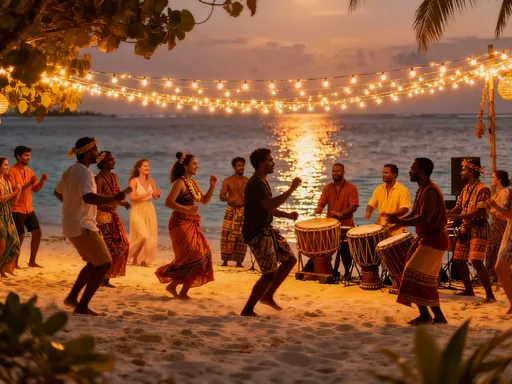
The Maldives is often imagined as a postcard-perfect chain of private islands, where luxury resorts float above crystal-clear lagoons and every need is anticipated before it arises. This image, while beautiful, captures only a fraction of the nation’s identity. Beyond the overwater villas lies a different reality — one of densely populated islands, daily routines, and community-centered life. Malé, the capital city of the Maldives, stands at the heart of this lesser-known world. Compact in size but rich in energy, Malé is home to nearly a third of the country’s population and serves as its cultural, economic, and administrative nucleus.
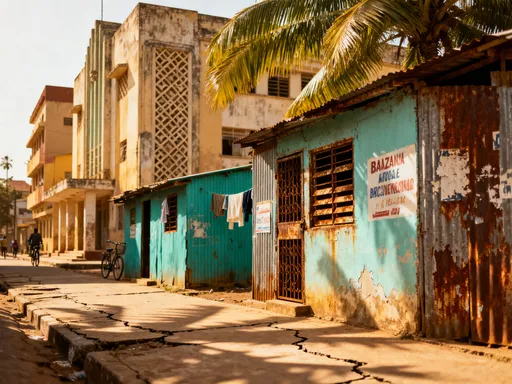
Unlike the secluded resort islands designed for international guests, Malé operates on a distinctly local rhythm. Streets buzz with motorbikes, shopkeepers call out to neighbors, and families gather in small parks after work. Here, shopping is not an optional leisure activity but an essential part of daily life. It reflects the resourcefulness, resilience, and warmth of the Maldivian people. Visitors who step beyond the resort perimeter discover that the soul of the Maldives isn’t just in its coral reefs — it’s in the way people live, trade, and connect every day.
By engaging with local commerce, travelers shift from passive observers to active participants. They witness how fishermen return with their morning catch, how mothers select vegetables for dinner, and how artisans pass down skills through generations. This kind of experience fosters a deeper understanding of Maldivian culture — one that cannot be replicated through curated excursions or luxury spa treatments. It invites a more meaningful form of travel, grounded in authenticity and mutual respect.
The Heartbeat of Malé: Local Markets Uncovered
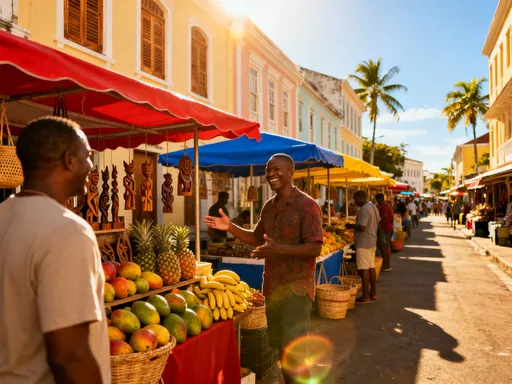
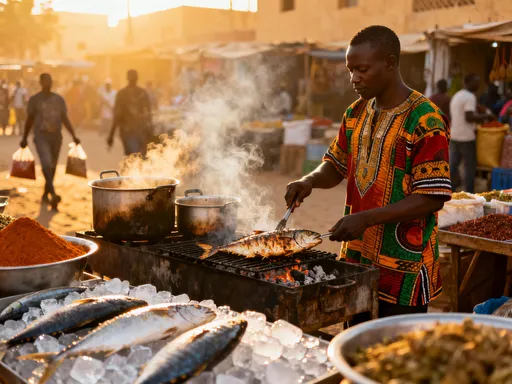
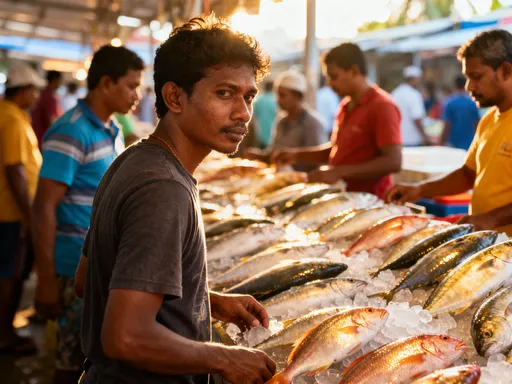
At the center of Malé’s daily rhythm is the Malé Local Market, a two-story complex that functions as both a fish market and a craft bazaar. This is not a staged performance for tourists — it is a working marketplace where the pulse of island life beats strongest. From early morning until midday, the ground floor transforms into a symphony of activity as fishermen unload their boats and lay out the day’s catch on long slabs of ice. The air carries the crisp scent of saltwater, mingled with the faint tang of fresh fish and the earthy aroma of tropical produce.
The variety on display is striking: glistening tuna, silvery snapper, vibrant reef fish, and even small sharks, all arranged with care and precision. Vendors, many of them lifelong fishermen, speak with pride about the quality of their catch and the waters from which it came. This is where Malé’s restaurants, households, and small eateries source their seafood — direct, fresh, and traceable to the source. For visitors, it’s an eye-opening glimpse into the foundation of Maldivian cuisine, where fish is not just a meal but a cultural cornerstone.
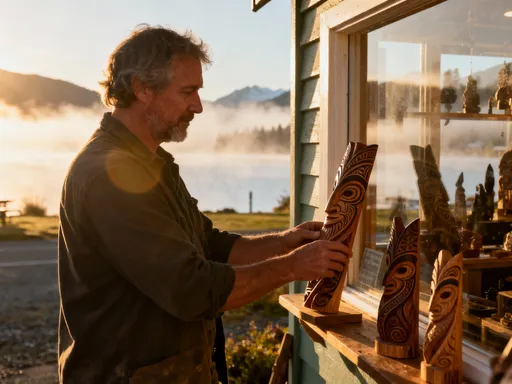
Upstairs, the atmosphere shifts slightly but remains equally vibrant. The upper level houses dozens of small stalls selling handmade crafts, textiles, and local goods. Women in colorful sarongs sit behind displays of woven mats, intricately carved coconut shells, hand-painted batik fabrics, and beaded jewelry. Each item tells a story — of island craftsmanship, family traditions, and the quiet dedication of artisans who keep these skills alive. Unlike mass-produced souvenirs found in resort gift shops, these creations are imbued with personal and cultural significance.
What makes this market especially welcoming is the openness of its vendors. Many are happy to explain their work, share a sample of homemade juice, or offer a friendly smile to curious visitors. There’s no pressure to buy — just an invitation to observe, learn, and connect. For those seeking an authentic encounter with Maldivian life, this market is not just a destination; it’s a living classroom of culture, commerce, and community.
What to Buy — And Why It Matters
Shopping in Malé’s local market is more than a transaction — it’s an opportunity to support sustainable livelihoods and preserve cultural heritage. Every purchase made from a local artisan or fisherman contributes directly to their household income, bypassing intermediaries and ensuring fair value for their labor. This is especially important in a country where tourism dominates the economy but often channels profits back to international corporations rather than local communities.
One of the most meaningful items to bring home is a handwoven mat, traditionally made from dried palm leaves or reeds. These mats, known locally as *kunaa*, have been used for centuries in Maldivian homes — for sitting, sleeping, or even as decorative wall hangings. Today, they are crafted by skilled weavers, many of them women from outer islands who participate in cooperatives that promote economic independence. By purchasing a *kunaa* mat, travelers support not only an individual artisan but also a broader movement toward gender equity and rural development.
Another unique find is batik fabric dyed with natural pigments derived from local plants. These textiles often feature patterns inspired by coral, waves, and marine life, reflecting the deep connection between the Maldivian people and their environment. Each piece is hand-stamped or painted, making it one-of-a-kind. When worn or displayed, these fabrics serve as quiet ambassadors of Maldivian artistry and ecological awareness.
For those interested in culinary souvenirs, locally made products like *rihaakuru* (a concentrated tuna paste), coconut oil, and jasmine-scented soaps offer a tangible link to Maldivian home life. *Rihaakuru*, in particular, is a staple in Maldivian kitchens, used to flavor curries, soups, and rice dishes. It’s a bold, umami-rich condiment that tells the story of a nation built on the sea. These items are rarely available in resorts, making them all the more special as mementos of a genuine cultural exchange.
Ultimately, the value of these purchases extends beyond the object itself. They carry the imprint of human hands, the echo of conversation, and the warmth of shared moments. When travelers choose to buy locally, they participate in a form of tourism that honors dignity, sustainability, and cultural continuity.
Navigating the Market: Practical Tips for Visitors
To fully appreciate the energy and authenticity of Malé’s local market, timing and preparation are key. The best time to visit is between 6:00 and 9:00 a.m., when the fish market is most active and the day’s catch is at its freshest. Arriving early also means cooler temperatures and fewer crowds, allowing for a more relaxed and immersive experience. By mid-morning, the sun climbs high, and the narrow lanes of the market can become warm and humid, so light, breathable clothing and comfortable walking shoes are recommended.
Cash remains the primary mode of payment in the market, especially smaller denominations of Maldivian rufiyaa. While some vendors may accept mobile payments, it’s wise to carry enough cash to cover purchases, particularly for small crafts or snacks. ATMs are available in central Malé, but it’s best to withdraw money the day before to avoid last-minute delays. A reusable shopping bag is also essential — not only for carrying purchases but as a small gesture toward environmental responsibility in a nation highly vulnerable to climate change.
Bargaining is common but should be approached with politeness and respect. Unlike in some tourist-heavy markets, aggressive haggling is not the norm in Malé. A friendly smile, a polite inquiry, and a willingness to engage in conversation often go further than price negotiations. Many vendors appreciate genuine interest in their work and may even offer a slight discount to respectful visitors. The goal is not to win the lowest price but to build a moment of connection.
Photography is another area where sensitivity matters. While the market is visually rich, it’s important to ask permission before photographing people or their stalls. Some vendors are happy to pose, while others may prefer privacy. Respecting these boundaries fosters trust and ensures that tourism remains a positive force. When in doubt, a simple gesture or smile can open the door to consent. Above all, the key to a rewarding visit is slowing down — observing, listening, and allowing the rhythm of the market to guide the experience.
Beyond Malé: Island Craft Hubs You Can Visit
While Malé offers the most accessible entry point to local shopping, the cultural richness of the Maldives extends far beyond the capital. Several local islands have developed artisan communities where traditional crafts are not only preserved but actively taught and celebrated. Hulhumalé, a reclaimed island just a short ferry ride from Malé, has become a growing hub for young entrepreneurs and creative collectives. Here, small studios and weekend markets showcase handmade jewelry, printed textiles, and upcycled ocean-plastic accessories — a modern twist on island craftsmanship.
Further afield, islands like Gadhdhoo and Fenfushi are known for their skilled mat weavers and lacquer work. These remote communities rely on tourism for economic support, and visitor interest in their crafts helps sustain intergenerational knowledge. Some guesthouses on local islands partner with artisans to offer hands-on workshops — opportunities for travelers to try weaving, natural dyeing, or coconut carving under expert guidance. These experiences are not performances but genuine invitations to learn, create, and connect.
Ferry travel between islands is both affordable and scenic, offering panoramic views of the Indian Ocean and a glimpse into the daily lives of islanders. Public ferries operate on fixed schedules and are used primarily by locals, making them a window into authentic island mobility. For travelers, this mode of transport adds depth to the journey — transforming a simple trip into a narrative of connection and discovery.
By venturing beyond Malé, visitors contribute to a more equitable distribution of tourism benefits. Resort islands generate significant revenue, but local islands often see little of it. When travelers choose to explore, shop, and stay on these islands, they help build resilient economies and empower communities to thrive on their own terms. This is the essence of sustainable tourism — not just minimizing harm, but actively creating good.
How This Changes Your Travel Perspective
Engaging with local markets and artisans fundamentally shifts the way we travel. Instead of moving through a destination as detached observers, we become temporary participants in its daily life. We learn to see the Maldives not as a backdrop for relaxation but as a living, breathing nation with a rich cultural fabric. This perspective fosters empathy, curiosity, and a deeper appreciation for the people who call these islands home.
When we buy a handwoven mat or share a cup of tea with a vendor, we are not just collecting souvenirs — we are collecting stories. We remember the fisherman who explained how he sorts his catch, the artisan who taught us a stitch, or the grandmother who smiled as she handed us a sample of *hedhikaa* (Maldivian snacks). These moments linger long after the tan fades and the suitcase is unpacked. They become part of our personal travel narrative — not as highlights, but as heartbeats.
This kind of travel also challenges the notion that luxury equals value. A five-star resort offers comfort and service, but it often insulates guests from the reality of the destination. In contrast, a visit to a local market offers something no concierge can provide: authenticity. It reminds us that the most meaningful experiences are not bought — they are earned through presence, openness, and respect.
For families, especially mothers traveling with children or planning future trips, this approach offers a powerful way to teach cultural awareness and responsible tourism. It shows that travel can be both joyful and meaningful, that souvenirs can carry purpose, and that kindness is a universal language. In a world where mass tourism often erases local identity, choosing to engage with communities becomes an act of quiet resistance — and profound connection.
Bringing It All Together: A New Way to Travel
The true magic of the Maldives lies not only in its breathtaking natural beauty but in the quiet, everyday moments of human life. It’s in the call of the fishmonger at dawn, the hum of a weaving loom, the laughter shared over a market snack. These are the threads that weave together the fabric of Maldivian society — threads that travelers can gently touch when they choose to explore beyond the resorts.
By seeking out local markets, supporting artisans, and engaging with communities, visitors embrace a more balanced, mindful form of tourism. This approach values people as much as scenery, connection as much as comfort, and legacy as much as leisure. It aligns with the growing global movement toward responsible travel — one that prioritizes sustainability, cultural preservation, and mutual respect.
For the thoughtful traveler — particularly women between 30 and 55 who value family, authenticity, and meaningful experiences — this kind of journey offers deep fulfillment. It allows them to return home not just with beautiful objects, but with stories to share, lessons learned, and a renewed sense of global kinship. It proves that even in a place known for escape, the most powerful experiences are those that ground us in reality.
Next time you plan a getaway to the Maldives, consider building in a half-day to wander the lanes of Malé’s market. Let your itinerary include not just snorkeling and sunsets, but conversations and connections. Let your souvenirs be more than trinkets — let them be tokens of understanding, kindness, and shared humanity. Because the soul of a place isn’t found in its postcards — it’s found in its people, its streets, and its stories. And that is a treasure worth seeking.