Whispers of Culture: The Hidden Heartbeat of Da Lat
Nestled in Vietnam’s cool highlands, Da Lat is often praised for its fairy-tale hills and flower gardens. But beyond the postcard views lies something deeper — a living culture quietly preserved in hidden corners. I didn’t expect to find traditional music echoing through village alleys or artisans keeping centuries-old crafts alive. These authentic experiences aren’t on every tourist map, yet they’re what make Da Lat unforgettable. Let’s explore the cultural soul few travelers truly see.
Unveiling Da Lat’s Cultural Layers
Da Lat is more than a retreat of pine-scented air and misty mornings; it is a place where history, geography, and tradition converge. Perched at over 1,500 meters above sea level, its cool climate and fertile soil have long attracted diverse communities. Originally home to indigenous groups like the K’Ho, the city transformed during the French colonial era into a hill station designed for rest and refuge. Grand villas, stone churches, and tree-lined boulevards still reflect that legacy, yet beneath these visible layers runs a quieter, more enduring current — the living culture of its people.
This cultural richness is often overlooked in favor of scenic highlights like Datanla Falls or the Valley of Love. While these attractions have their charm, they represent only one dimension of Da Lat. The city’s true depth lies in the ways its communities maintain traditions despite modernization. From village rituals to craft practices passed from generation to generation, Da Lat’s cultural heartbeat remains strong, though it pulses just beneath the surface of mainstream tourism. Recognizing this hidden fabric requires slowing down, looking closer, and listening with intention.
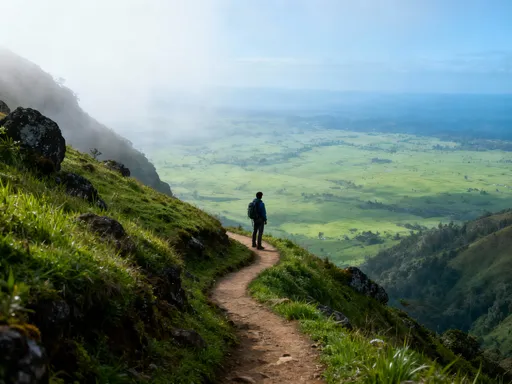
What makes Da Lat uniquely suited to cultural preservation is its geographical isolation. Surrounded by mountains and forests, the region developed in relative seclusion, allowing customs to evolve with minimal outside interference. This environment fostered self-sufficient communities whose lives were shaped by seasonal cycles, spiritual beliefs, and communal bonds. Even today, this sense of rootedness persists, especially in the rural outskirts where daily life continues to reflect ancestral rhythms. For travelers willing to step beyond guided itineraries, these areas offer rare access to authentic cultural expression.
The Spirit of the Indigenous Communities
At the heart of Da Lat’s cultural identity are the indigenous communities, particularly the K’Ho people, whose presence in the Central Highlands dates back centuries. Long before the arrival of French architects and Vietnamese settlers, the K’Ho lived in harmony with the land, building longhouses from wood and thatch, practicing subsistence farming, and honoring spiritual traditions tied to nature. Their worldview, deeply connected to forests, rivers, and ancestral spirits, continues to influence local customs and values.
Visitors who seek meaningful engagement can experience this heritage firsthand through community-based tourism initiatives. Homestays in K’Ho villages offer more than a place to sleep — they provide immersive insight into daily life. Guests may join families in preparing meals over open fires, learn how to weave natural fibers, or listen to elders share oral histories under the stars. These interactions are not performances for tourists; they are genuine moments of shared humanity, built on mutual respect and curiosity.
Guided cultural tours, often led by local residents, ensure that visits are conducted ethically and sustainably. These programs prioritize the well-being of the community, with income from tourism supporting education, healthcare, and infrastructure. Travelers are encouraged to approach these experiences with humility, asking permission before taking photographs and dressing modestly out of respect. Simple gestures like greeting elders with a slight bow or accepting a cup of herbal tea with both hands go a long way in building trust and connection.
One of the most profound aspects of K’Ho culture is its emphasis on communal living. Decisions are made collectively, celebrations are shared, and knowledge is passed down through storytelling and participation. This spirit of unity is evident during village gatherings, where music, dance, and ritual reinforce social bonds. For the visitor, being welcomed into such a space is not merely educational — it is deeply moving, a reminder of the strength found in community and continuity.
Living Traditions in Village Craftsmanship
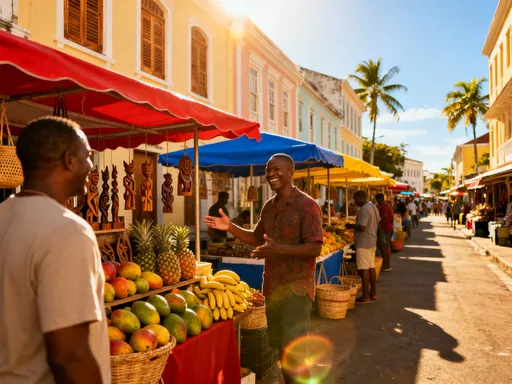
In quiet corners of Da Lat’s surrounding countryside, craftsmanship thrives as both art and necessity. Here, artisans work with materials drawn directly from the land — hemp fibers, bamboo, clay, and wood — using techniques refined over generations. Unlike mass-produced souvenirs sold in city markets, these handmade items carry the imprint of individual skill and cultural memory. A woven scarf, a carved spoon, or a hand-thrown pot is not just functional; it is a story made tangible.
In several villages near Da Lat, weaving remains a vital practice among K’Ho women. Using traditional looms, they create intricate patterns that signify clan identity, spiritual beliefs, or life milestones. The process is slow and deliberate, requiring patience and precision. Each thread is dyed with natural pigments from roots, leaves, and bark, producing earthy tones of rust, indigo, and moss green. To witness this craft is to appreciate the deep connection between material, method, and meaning.
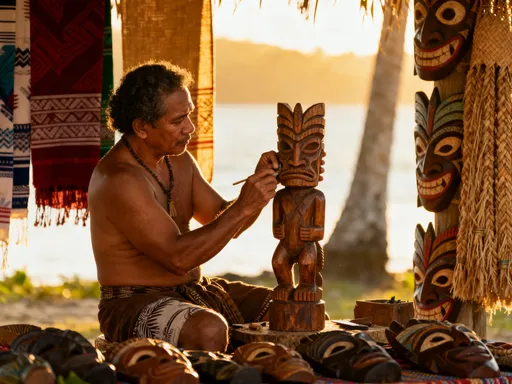
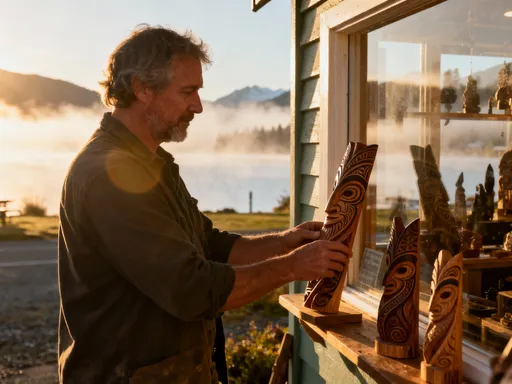
Wood carving is another enduring tradition, often seen in the creation of ceremonial objects, household tools, and decorative panels. Artisans use simple hand tools to shape wood into flowing forms, sometimes depicting animals from local folklore or symbols of protection and prosperity. These carvings are not made for display alone; many serve spiritual or ritual purposes, such as marking ancestral altars or adorning communal houses. Visitors can observe these artisans at work in small workshops, where the sound of chisels tapping wood blends with the rustle of leaves outside.
Pottery, too, continues in a few family-run studios where clay is hand-coiled and fired in open kilns. The resulting vessels are sturdy and unglazed, designed for daily use rather than aesthetic perfection. What they lack in polish they make up for in authenticity, bearing the fingerprints of their makers and the spirit of a tradition that resists industrialization. Supporting these crafts through ethical purchases not only preserves cultural heritage but also empowers local economies, ensuring that these skills are passed on to future generations.
Music and Dance: The Rhythm of Hidden Gatherings
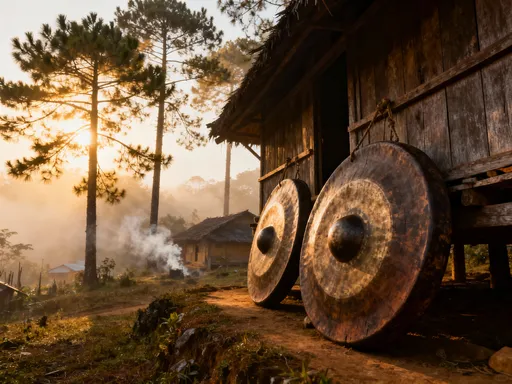
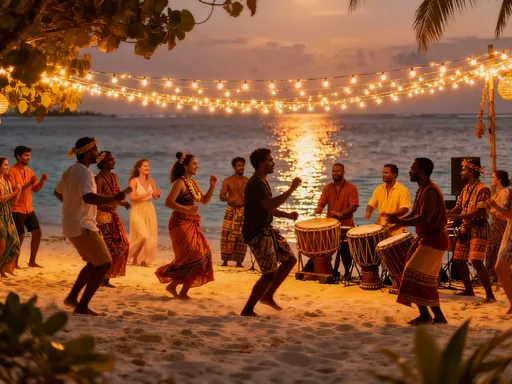
One of the most evocative expressions of Da Lat’s cultural soul is its traditional music, particularly the resonant sounds of gong ensembles. For centuries, gongs have played a central role in K’Ho and other highland communities, serving as a bridge between the human and spiritual worlds. Each gong is tuned to a specific pitch, and when played together in a circle, they create a layered, hypnotic rhythm that echoes through the night like a heartbeat.
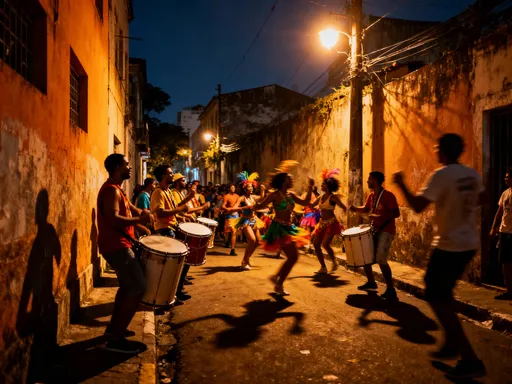
These performances are not staged for tourists but are integral to ceremonies marking births, harvests, funerals, and seasonal changes. During a gong festival, villagers gather in a communal space, often around a fire, with musicians seated in a circle. The music begins softly, building in intensity as dancers move in slow, deliberate steps, their bodies swaying in response to the rhythm. The atmosphere is solemn yet celebratory, a testament to the deep spiritual significance of the event.
For travelers, gaining access to such gatherings requires connection and respect. While some cultural centers in Da Lat offer demonstrations, the most authentic experiences occur in villages during actual ceremonies. With the help of local guides or homestay hosts, visitors may be invited to observe — not participate — in these sacred moments. Listening to the gongs reverberate under a starlit sky is an experience that lingers long after the final note fades.
Dance, too, is a vital form of cultural expression. Traditional dances often tell stories of creation, migration, or daily life, using hand gestures, footwork, and costumes to convey meaning. Women may wear embroidered skirts and silver jewelry, while men carry drums or flutes. These performances are not rehearsed for spectacle but are part of living tradition, taught to children from a young age. To witness them is to see culture not as a relic of the past, but as a living, breathing practice.
Sacred Spaces Beyond the Tourist Trail
While Da Lat is home to several well-known pagodas like Linh Phuoc and Truc Lam, the region also harbors quieter, lesser-visited spiritual sites that offer a more intimate experience. Nestled in forest clearings or perched on mountain ridges, these temples and shrines reflect a blend of Buddhist teachings and indigenous beliefs. Unlike the ornate, heavily photographed landmarks, these places are often simple in design — wooden structures with tiled roofs, surrounded by incense smoke and the chirping of birds.
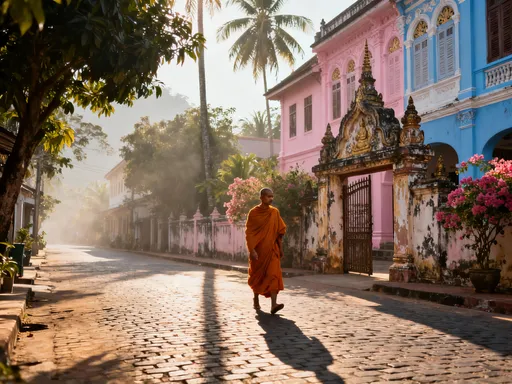
Morning visits reveal the true essence of these spaces. Monks may be seen sweeping courtyards or chanting in low tones, their voices blending with the rustle of bamboo. Visitors are welcome to sit quietly, observe, or join in silent meditation. The absence of crowds allows for reflection, creating a sense of peace that is increasingly rare in modern travel. Some of these sites are affiliated with local monastic communities that also engage in agricultural work, embodying the Buddhist principle of mindful living.
Equally significant are the small shrines maintained by villagers at crossroads, riverbanks, or near ancient trees. These humble offerings — a few sticks of incense, a bowl of fruit, a piece of cloth tied to a branch — mark places believed to be inhabited by protective spirits. They serve as reminders that spirituality in Da Lat is not confined to formal institutions but is woven into the landscape itself. Respecting these sites means refraining from touching offerings, speaking softly, and moving through the space with awareness.
For those seeking a deeper understanding, some temples offer short retreats or introductory meditation sessions. These programs, often led by bilingual monks, provide context for Buddhist practices while emphasizing mindfulness and compassion. Participation is open to all, regardless of background, as long as visitors approach with sincerity and respect. Such experiences can transform a simple visit into a moment of personal stillness and cultural appreciation.
Seasonal Rhythms and Local Festivals
The cultural life of Da Lat is deeply intertwined with the agricultural calendar. Unlike urban festivals designed for entertainment, local celebrations are rooted in the cycles of planting, growing, and harvesting. The strawberry season, for example, is not just an economic activity but a time of communal effort and gratitude. Families work together in the fields, and surplus fruit may be shared or offered at home altars as a sign of thanksgiving.
The Da Lat Flower Festival, held every two years, showcases the region’s horticultural excellence with elaborate parades and displays. While visually stunning, the commercial version only hints at the deeper significance flowers hold in local culture. In K’Ho tradition, certain blooms are used in healing rituals, woven into ceremonial headdresses, or offered during ancestral commemorations. The act of cultivating flowers is itself seen as a form of devotion, a way of bringing beauty and balance to the world.
More intimate celebrations occur at the village level, often coinciding with lunar cycles or harvest times. These events may include feasting, music, and the renewal of community vows. Unlike large public festivals, they are not advertised or ticketed; attendance is by invitation or through personal connection. For travelers, timing a visit to align with these moments requires planning and local insight, but the reward is access to cultural expressions that remain untouched by commercialization.
One such occasion is the New Rice Ceremony, held when the first grains are harvested. Families prepare special meals, invite ancestors through ritual offerings, and express gratitude for the land’s generosity. While practices vary by village, the core theme remains the same — reverence for nature and the interconnectedness of life. Observing such a ceremony, even silently from the periphery, offers a profound lesson in humility and thankfulness.
Traveling with Purpose: How to Engage Respectfully
Discovering Da Lat’s hidden culture is not about checking off attractions but about cultivating connection. It begins with the choice to travel slowly, to spend days rather than hours in a place, and to prioritize relationships over sightseeing. Selecting local guides, especially those from indigenous communities, ensures that tourism benefits the people whose stories are being shared. These guides offer more than information — they provide context, nuance, and personal insight that no brochure can replicate.
Supporting community-based tourism initiatives is another way to travel ethically. Whether staying in a homestay, purchasing handmade crafts directly from artisans, or joining a village-led tour, every decision has an impact. These choices help sustain traditions that might otherwise fade in the face of economic pressure and globalization. They also foster mutual understanding, breaking down stereotypes and building bridges between cultures.
Understanding cultural etiquette is equally important. In many highland communities, pointing feet at people or sacred objects is considered disrespectful. Speaking loudly in quiet spaces, touching someone’s head, or refusing hospitality can also be seen as impolite. Learning a few basic phrases in the local language, such as greetings or words of thanks, demonstrates effort and respect. These small acts signal that the visitor is not just passing through but is genuinely interested in the people and their way of life.
Ultimately, the most meaningful travel is not measured by the number of photos taken but by the depth of connection formed. When travelers approach Da Lat not as a destination but as a living community, they open themselves to transformation. They become part of a quiet exchange — receiving stories, wisdom, and beauty, while offering attention, respect, and support in return. In this way, tourism becomes not just observation, but participation in the preservation of something precious and enduring.
Da Lat’s hidden heartbeat is not loud or flashy. It is found in the hum of a loom, the echo of gongs in the night, the warmth of a shared meal, and the quiet dignity of traditions kept alive. To hear it, one must listen closely, move gently, and come with an open heart. In doing so, the traveler does not merely see culture — they feel it, honor it, and help ensure it continues to whisper through the highland mist for generations to come.