What Makes Krabi’s Cityscape Feel Like a Living Temple?
You know that feeling when a city doesn’t just look beautiful, but actually feels sacred? That’s Krabi. Beyond the postcard beaches, its urban landscape pulses with quiet spirituality—temples tucked between markets, monks walking local streets, art that whispers tradition. I didn’t expect to find culture so alive in plain sight. This isn’t just sightseeing—it’s witnessing how Thai heritage shapes everyday spaces. Let me take you where pavement meets prayer.
The Soul of Southern Thailand: Introducing Krabi’s Cultural Identity
Krabi Town, though modest in size, carries the weight of centuries in its streets and spirit. Nestled along Thailand’s Andaman coast, it serves as both a transportation hub and a cultural threshold into southern Thai life. Unlike the resort-heavy islands nearby, Krabi Town offers an unfiltered glimpse into the region’s layered identity—one shaped by centuries of exchange between Thai, Malay, and Chinese communities. This convergence isn’t merely historical; it’s visible in the architecture, heard in the dialects, and tasted in the food. The town’s location at the mouth of the Krabi River made it a natural center for trade, drawing seafarers, merchants, and settlers from across the Gulf and the Strait of Malacca. As a result, the cultural fabric here is richly woven, not with grand monuments, but with the quiet details of daily coexistence.
What sets Krabi apart is how seamlessly its diverse roots have been integrated into a harmonious local identity. The influence of Malay culture is evident in the use of certain words, the style of woven textiles, and the prominence of halal food stalls in local markets. At the same time, Chinese heritage lives on in the colorful Sino-Portuguese shop houses that line the main roads, their arched windows and pastel facades echoing a 19th-century building tradition introduced by Peranakan traders. Yet, beneath it all flows the steady current of Theravāda Buddhism, the spiritual foundation that unites the community. This blend doesn’t feel forced or performative; rather, it’s a lived reality, one that unfolds naturally as you walk through the town’s shaded alleys and bustling lanes.
For travelers, understanding Krabi’s cultural identity begins with recognizing that this is not just a stopover before the beaches. It is a place with its own rhythm, one where time moves with the pace of morning alms rather than the rush of tourist itineraries. The town’s identity is rooted in resilience and adaptation—qualities shaped by its geography, history, and the quiet determination of its people. By approaching Krabi as more than a gateway, visitors begin to see the deeper significance of its urban landscape: a living record of how culture endures not in isolation, but through daily practice and shared space.
Temples in the Everyday: How Buddhism Shapes the Cityscape
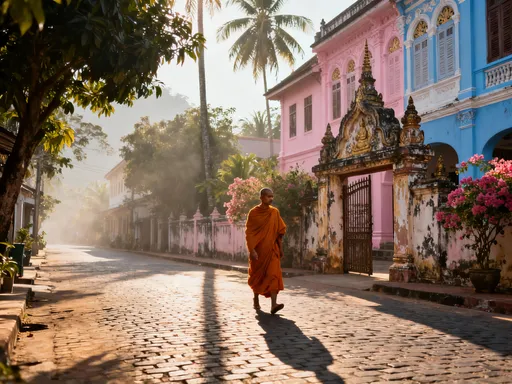
In Krabi, Buddhist temples are not set apart from the city—they are woven into its very structure. Wat Kaew Korawaram, the town’s most prominent temple, stands just off the main road, its golden chedi visible from blocks away. But its significance goes far beyond its striking appearance. Every morning, long before the sun climbs high, saffron-robed monks walk the streets in silent procession, receiving alms from residents who line up with steaming bowls of rice and fruit. This daily ritual, known as tak bat, is not a performance for tourists; it is a cornerstone of spiritual life, reinforcing the bond between monastic community and laypeople.
The architecture of Krabi’s temples reflects both devotion and craftsmanship. At Wat Kaew Korawaram, intricate mosaics cover the base of the main hall, depicting scenes from the Buddha’s life in shimmering glass and ceramic. The ordination hall, or ubosot, is elevated on stone steps, its doors guarded by mythical chinthe lions, symbolizing protection and spiritual vigilance. Inside, the air is cool and still, filled with the scent of incense and the soft glow of candlelight. Devotees kneel on woven mats, offering flowers, candles, and prayers with quiet concentration. These spaces are not frozen in time; they are active centers of learning, meditation, and community gatherings.
What makes these temples feel like living parts of the city is their accessibility and integration. Unlike museums or heritage sites behind ropes, Krabi’s wats welcome participation. Locals come not only to pray but to attend festivals, celebrate weddings, or simply find a moment of peace. Children play in the courtyards after school, elders gather under shaded pavilions to chat, and monks offer guidance to anyone who seeks it. Even the temple grounds are designed to serve multiple purposes—open lawns host weekend markets, and covered walkways provide shelter during sudden rainstorms. This fluidity between sacred and secular space is what gives Krabi its unique spiritual texture. The temple is not a destination; it is a presence, shaping the city’s soul one quiet moment at a time.
Walking the Streets: Urban Design with Cultural Rhythm
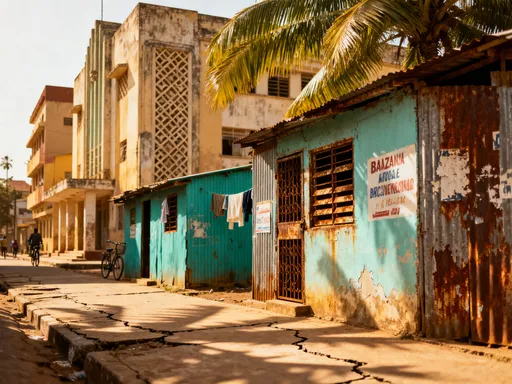
To walk through Krabi Town is to experience a city that moves to its own cultural beat. The main thoroughfares—Ranong Road and Chalerm Phrakiat Road—are lined with buildings that tell stories through their design. The Sino-Portuguese architecture, with its tall shuttered windows, ornate cornices, and pastel-colored walls, speaks to a colonial-era past when Chinese traders settled here and adapted European styles to the tropical climate. These buildings now house family-run shops, cafés, and local offices, their ground floors open to the street, inviting interaction and commerce.
But the cultural rhythm of Krabi’s streets is not just in its buildings. It’s in the small shrines tucked into alley corners, where fresh jasmine garlands and flickering candles mark daily offerings to local spirits. It’s in the hand-painted signs for herbal drink stalls, the sound of a distant temple bell, and the way pedestrians pause to make a quick prayer before crossing a busy intersection. Even the traffic circle at the heart of town, known locally as Krabi Circle, centers around a large bronze Buddha statue seated in meditation, his calm gaze overlooking the flow of vehicles and people. This deliberate placement is no accident; it reflects a cultural priority where spiritual awareness is embedded in public space.
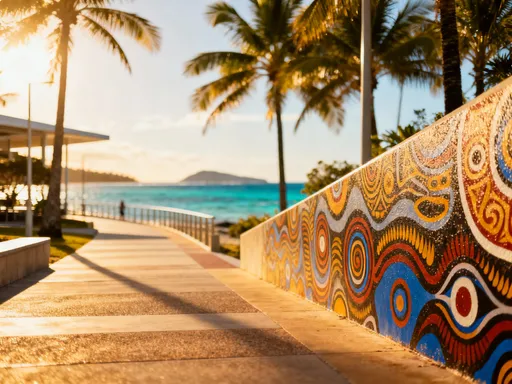
Urban planning in Krabi, though informal in parts, reveals a deep respect for balance and harmony. Sidewalks are wide enough to accommodate food vendors and pedestrians alike, and shaded walkways protect from the intense sun. Street art, often overlooked in other towns, here carries meaning—murals depict local legends, fishing traditions, and scenes from Buddhist parables. These are not random decorations but visual narratives that educate and inspire. As you walk, you begin to notice how every element—from the placement of benches to the design of bus stops—encourages slowness, reflection, and connection. In a world where cities often feel impersonal, Krabi’s streets remind us that urban life can still breathe with cultural intention.
Markets as Cultural Theaters: From Food to Folklore
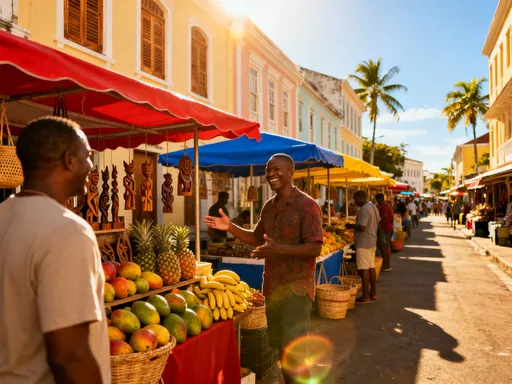
No understanding of Krabi’s culture is complete without stepping into its markets, where tradition comes alive through taste, sound, and sight. The weekend walking street market on Chalerm Phrakiat Road transforms the town center into a vibrant stage of local life. Vendors set up colorful stalls selling everything from grilled river prawns to handmade coconut candies. The air fills with the sizzle of woks, the sweetness of ripe mango, and the tang of tamarind. But more than just a place to shop, the market is a cultural theater—one where food, music, and craft tell the story of southern Thailand.
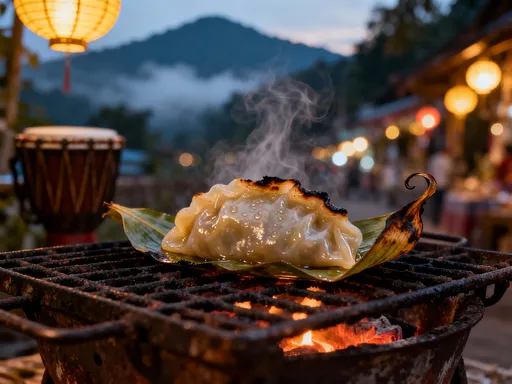
One of the most iconic dishes here is khanom jeen, thin rice noodles served with a rich, turmeric-based curry made with fish from the Krabi River. Each bowl is a reflection of local ingredients and ancestral recipes, often passed down through generations. Nearby, you’ll find kanom thuai, steamed banana cakes made with young saba bananas, coconut milk, and palm sugar, wrapped in banana leaves. These treats are more than snacks—they are edible heirlooms, connecting people to the land and its cycles. Vendors proudly explain their methods, often using wood-fired stoves and traditional molds, preserving techniques that modern kitchens have long abandoned.
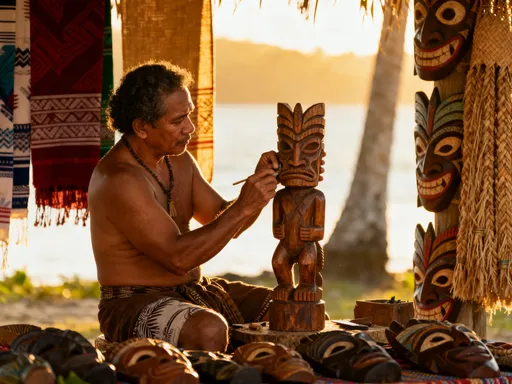
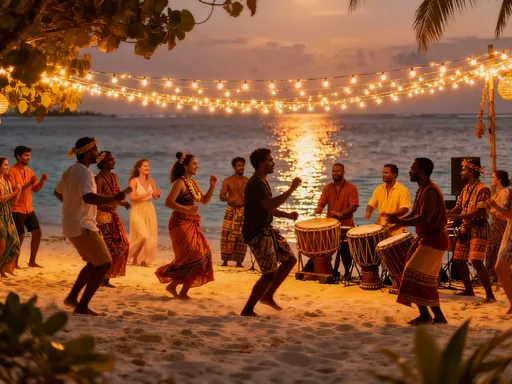
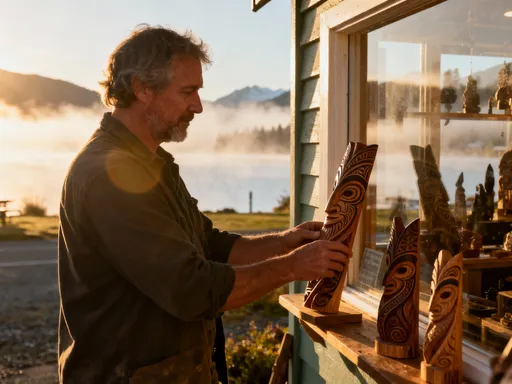
Beyond food, the market is a showcase of local artistry. Textiles feature shadow puppet motifs from nang yai, a traditional form of storytelling that once entertained royal courts. Hand-carved wooden souvenirs depict guardian spirits and mythical creatures from Thai folklore. Live music, often performed on traditional instruments like the ranat (a wooden xylophone) or pi chawa (a oboe-like wind instrument), adds another layer of cultural immersion. Children dance along, elders nod in recognition, and visitors are invited not just to observe, but to participate. In these moments, the market becomes more than commerce—it becomes a celebration of identity, a space where culture is not displayed behind glass, but lived, shared, and renewed.
Art That Speaks Local: Murals, Statues, and Symbolic Storytelling
In Krabi, public art is not merely decorative—it is a language. Murals stretch across building walls, depicting legends of the Naga serpent, believed to guard the rivers and mountains of southern Thailand. These serpent deities, with their crowned heads and coiled bodies, appear in vibrant blues and golds, their presence a reminder of the spiritual forces believed to inhabit the natural world. Other murals show scenes from the Jataka tales, stories of the Buddha’s past lives, teaching lessons of compassion, sacrifice, and wisdom. These are not commissioned for tourists; they are community projects, often painted by local artists with support from temples and schools.
Stone carvings and bronze statues further enrich the cityscape. Along the riverfront promenade, sculptures of fishermen, dancers, and monks capture everyday life and spiritual devotion. One striking piece shows a monk offering alms to a poor family, a powerful visual of generosity in action. Another depicts a guardian spirit, or phi, standing watch at a bridge entrance, believed to protect travelers and ward off misfortune. These figures are not isolated artworks; they are integrated into the environment, serving both aesthetic and symbolic purposes.
What makes Krabi’s public art so effective is its accessibility. Unlike galleries that require tickets and silence, these works are free to view, embedded in sidewalks, parks, and market areas. They speak directly to the people, preserving oral traditions that might otherwise fade. A child walking to school sees the Naga mural and hears the story from a grandparent. A visitor pauses at a statue and learns about local beliefs from a passing resident. In this way, art becomes education, memory, and identity—all in plain sight. It’s a testament to how culture can thrive not in institutions, but in the open air, where everyone can see, touch, and remember.
Festivals in the City: When Tradition Takes Over the Streets
Krabi’s calendar is marked by festivals that transform the town into a living tapestry of tradition. Among the most significant is the Vegetarian Festival, a nine-day event rooted in Chinese Buddhist and Taoist practices. During this time, participants follow a strict plant-based diet, believing it purifies the body and spirit. The streets come alive with yellow banners, altars laden with fruit and flowers, and processions of devotees in white clothing. Some perform acts of spiritual endurance, such as walking on hot coals or piercing their cheeks with metal rods, believed to demonstrate devotion and invite divine protection. While intense, the festival is conducted with deep respect and community support, and visitors are welcome to observe from a respectful distance.
Another key event is Makha Bucha Day, one of the most important Buddhist holidays in Thailand. On this full moon night, thousands gather at temples across Krabi to perform the wian thian, a candlelit procession around the main hall. Devotees carry lotus buds, candles, and incense, walking in silence as monks chant ancient scriptures. The atmosphere is serene, filled with a collective sense of reverence. The event is not just religious; it is a moment of national unity, where people from all walks of life come together in shared practice.
These festivals do more than honor tradition—they reshape the city. Roads are closed, temporary shrines erected, and public spaces repurposed for ritual. The urban landscape becomes a stage for spiritual expression, where the sacred and the everyday merge. For travelers, attending these events offers a rare opportunity to witness culture in motion. Guidelines for respectful observation are simple: dress modestly, avoid flash photography during rituals, and follow the lead of locals. When approached with humility, these experiences can be deeply moving, offering insight into the values that sustain Krabi’s community life.
Traveler’s Guide: Experiencing Krabi’s Culture Respectfully and Deeply
To truly connect with Krabi’s culture, travelers must move beyond the surface. The best time to visit is during the cool, dry season from November to February, when the weather supports long walks and outdoor events. Early mornings are ideal for temple visits, as this is when alms-giving takes place and the air is calm. When entering religious sites, both men and women should wear clothing that covers shoulders and knees; shoes must be removed before stepping onto temple grounds. These are not mere rules, but signs of respect deeply valued by the local community.
Photography is permitted in most public areas, but discretion is essential. Avoid taking pictures during private rituals or of individuals without permission, especially monks and elderly devotees. Instead, engage through conversation—many locals are happy to share stories if approached with kindness. Joining a locally run walking tour can enhance understanding; guides often include former monks, artists, or historians who offer insights not found in guidebooks. These tours typically include visits to hidden shrines, artisan workshops, and neighborhood kitchens, providing a more intimate view of daily life.
Slow travel is the key to meaningful connection. Rather than rushing from beach to beach, spend a few days in Krabi Town, allowing time to return to the same market, temple, or café. Build familiarity. Try learning a few phrases in Thai—simple greetings like sawasdee (hello) and khop khun (thank you) go a long way. Support local businesses by buying handmade crafts, eating at family-run restaurants, and staying in community-based accommodations. When travelers choose to engage mindfully, they don’t just see Krabi—they become part of its living story.
Krabi’s true beauty isn’t just in its limestone drama or turquoise water—it’s in the quiet ways culture lives in its streets, structures, and smiles. When we travel, we’re not just passing through places, but witnessing living traditions. Choosing to see Krabi this way transforms a simple trip into something meaningful. What if every city we visited was felt, not just seen?