You Won’t Believe What This Tiny Island Does During Festival Season
Have you ever seen an island light up under the stars with music, dance, and local joy? I didn’t either—until I reached Maafushi in the Maldives during its annual festival season. Far from just white sand and turquoise water, this small island pulses with authentic culture when celebrations begin. From beachfront drum circles to handmade crafts and island-style feasts, Maafushi transforms. It’s not just a paradise for photos—it’s a living, breathing experience waiting to be lived.
Discovering Maafushi: More Than a Postcard Paradise
Maafushi, a small island in the Kaafu Atoll just 30 minutes by speedboat from Malé, offers a refreshingly real side of the Maldives. While most travelers associate the archipelago with private luxury resorts and overwater villas, Maafushi represents a different kind of beauty—one rooted in community, tradition, and everyday life. As one of the first local islands to open to tourists under the government’s community-based tourism initiative, Maafushi has welcomed guests into family-run guesthouses, local cafes, and neighborhood walks for over a decade. This openness has preserved its authenticity while gently embracing tourism.
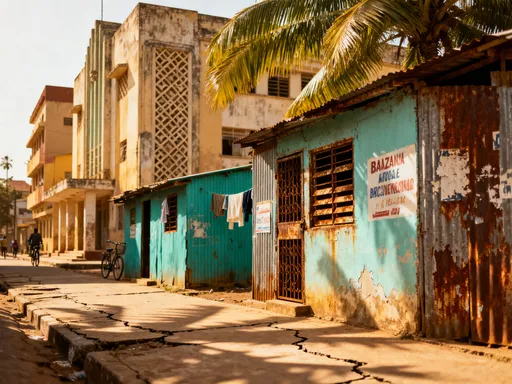
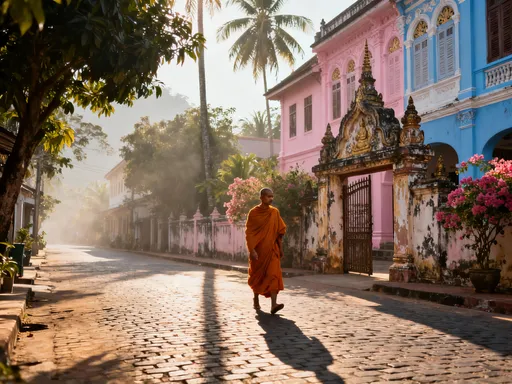
What sets Maafushi apart is its rhythm. Life moves at the pace of tides and prayer calls, not check-in times or spa appointments. Houses painted in bright blues, greens, and yellows line narrow coral-paved lanes. Children wave as they walk home from school, and fishermen mend nets near the harbor. There are no grand resorts, no imported entertainment, and no artificial lagoons. Instead, there is a quiet pride in culture and hospitality. This becomes especially evident during festival season, when the island’s spirit surges to life in ways that no brochure can capture.
Festival time on Maafushi is not a performance for tourists—it is a celebration of identity. While the island is peaceful year-round, the festive period reveals layers of heritage that are usually subtle in daily routines. It is during these times that elders gather to share stories, youth practice traditional dances, and families prepare recipes passed down for generations. For visitors, this means an invitation not just to observe, but to participate. Whether joining a drum circle, accepting a plate of warm snacks, or being welcomed into a home for tea, the experience is intimate and genuine. It’s no wonder that many who visit during festivals leave with a deeper understanding of what the Maldives truly is.
Festival Fever: When Culture Comes Alive
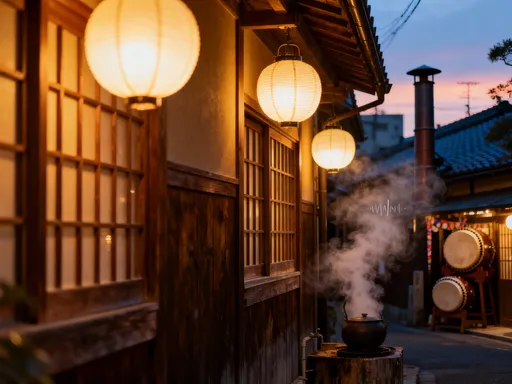
The festive season in Maafushi typically coincides with national holidays such as Independence Day or religious observances like Eid, depending on the year. These events are not imported tourist attractions but deeply rooted moments of communal joy. Preparation begins weeks in advance, with entire neighborhoods involved in decorating public spaces with colorful flags, handwoven banners, and strings of lanterns. Coconut palm fronds are woven into arches over walkways, and the central square is swept and polished for gatherings.
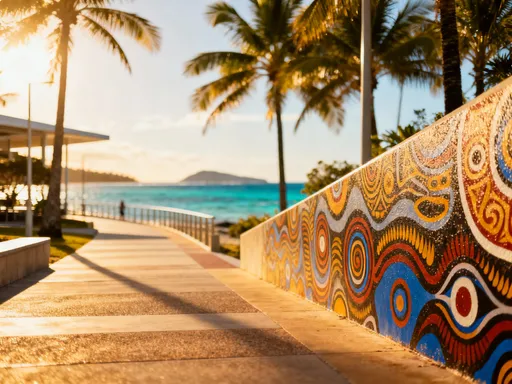
What makes these preparations so powerful is the collective effort. There are no hired crews or event planners—just neighbors, families, and local groups coming together. Youth volunteers rehearse dance routines after school, while elders guide the younger generation in traditional songs and customs. Local artists paint murals on community walls, often depicting marine life, island legends, or scenes of daily fishing life. The school hall becomes a hub of activity, doubling as a rehearsal space, craft workshop, and food prep area. This shared labor strengthens bonds and ensures that cultural knowledge is not lost.
The excitement builds in the days leading up to the festival. Children wear new clothes in vibrant patterns, and the scent of spices fills the air as families cook in advance. On the main day, the island feels electric yet serene—a rare balance of energy and harmony. The festivities are not about extravagance but about presence. There are no loudspeakers blasting music or commercial vendors crowding the streets. Instead, joy spreads organically, through shared meals, spontaneous singing, and the steady beat of drums echoing from the beach. It is a celebration that belongs to the people, and one that welcomes respectful guests with open arms.
The Heartbeat of the Celebration: Music, Dance, and Drumming
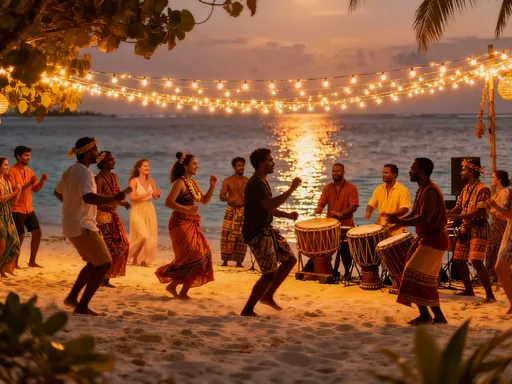
At the core of Maafushi’s festival experience is bodu beru, the traditional Maldivian form of drumming that has been passed down for centuries. This powerful, rhythmic performance is not just entertainment—it is a cultural heartbeat. The drums, made from hollowed-out tree trunks and covered with goat or cowhide, are played by groups of men who stand in a circle, their hands moving in synchronized intensity. The sound is deep, resonant, and impossible to ignore—a call that draws people from every corner of the island.
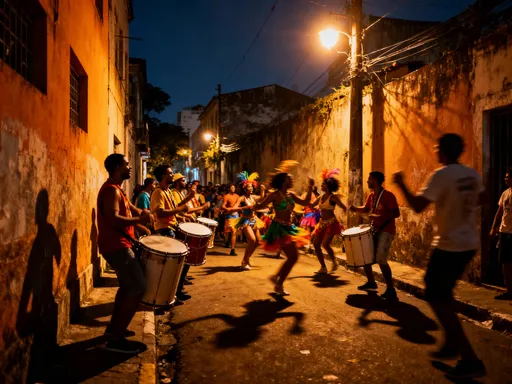
During festival evenings, bodu beru performances often take place on the beach, where sand meets sea and lanterns hang from palm trees. As the sun sets and the sky turns indigo, the drumming begins. At first, it is steady and slow, like a pulse. Then, gradually, the tempo increases, building into a crescendo that makes your chest vibrate. Dancers—usually young men and women in traditional attire—step forward, their movements sharp and grounded, matching the rhythm with precision. Their feet kick up sand, their arms slice the air, and their expressions are focused, proud.
What makes these performances so moving is their inclusivity. Tourists are not kept at a distance. Often, after the formal dance, the drummers invite onlookers to join the circle. Locals gently guide visitors in basic rhythms, laughing as hands fumble at first. There is no judgment, only encouragement. In these moments, language fades, and connection happens through beat and breath. For many, this is the highlight of their trip—not because it is polished, but because it is real. Bodu beru is more than music; it is a living tradition that binds past and present, islander and guest, in a shared human experience.
Taste the Tradition: Festival Food That Warms the Soul
No celebration in Maafushi is complete without food—and during festival season, the island becomes a open-air kitchen of rich aromas and shared generosity. Meals are not served in restaurants but in communal spaces, on mats, or directly on banana leaves laid out on the ground. The act of eating together is sacred, a symbol of unity and gratitude. Visitors are often surprised—and deeply touched—by how freely they are included in these gatherings.
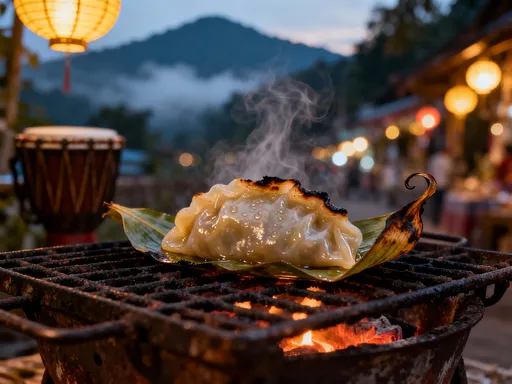
One of the most beloved festival foods is hedhikaa, a collection of small, savory snacks that vary by family and region. These might include gulha (spiced tuna balls), masroshi (flaky pastries filled with coconut and tuna), or boriboi (sweet coconut pancakes). Each bite carries the flavor of the sea, the warmth of spices, and the care of the cook. These are not mass-produced treats but handmade offerings, often prepared in large batches by groups of women who gather days in advance to chop, mix, and fry together.
Another centerpiece of the festival table is garudhiya, a clear fish soup made from tuna, simmered with ginger, curry leaves, and lime. It is served with steamed rice, chili paste, and lime wedges, allowing each person to adjust the flavor to their taste. Eating garudhiya is more than a meal—it is a ritual. Families sit together, dipping bread into the broth, sharing stories, and pausing between sips. Even guests are offered a bowl, often with a warm smile and simple words like “Please, eat with us.”
Sweet treats also play a special role. Kiribath, a milk rice dish cooked with jaggery and coconut, is often served at the end of celebrations as a symbol of prosperity. Children run between tables, giggling as they steal pieces of alugashi, a sweet coconut and sugar fudge. The food is not extravagant, but it is deeply nourishing—not just for the body, but for the soul. In a world where dining is often rushed or solitary, Maafushi’s festival meals remind us of the power of sharing a table.
Photo-Worthy Moments: Where to Be and When
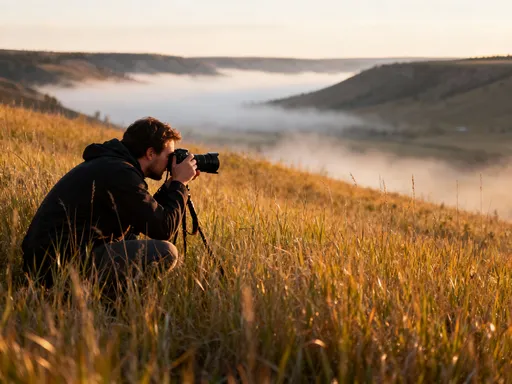
For travelers who appreciate meaningful photography, Maafushi during festival season offers countless authentic moments. Unlike staged tourist shows, the celebrations unfold naturally, providing opportunities to capture real expressions, spontaneous interactions, and cultural depth. However, the best images come not from distance, but from presence. Knowing where to go—and when—can make all the difference.
The main square, known locally as the “community ground,” is the heart of the festivities. This open space hosts the largest gatherings, including the opening ceremony, dance performances, and communal meals. Arriving in the late afternoon, around 4:30 PM, allows visitors to photograph golden-hour light on painted banners and children playing before the formal events begin. As evening falls, the square glows with lanterns and the soft light of mobile phones, creating a warm, intimate atmosphere.
The harborfront is another prime spot, especially during the traditional boat parade, when hand-carved wooden vessels are decorated with flowers and flags. This usually happens in the early evening, between 6:00 and 7:00 PM, when the sky reflects pink and orange over the water. The beach clearings, where bodu beru performances take place, offer dramatic backdrops of ocean and sky. Post-sunset is ideal here, when silhouettes of drummers and dancers contrast against the last light.
Equally important is the approach to photography. Locals are generally welcoming, but respect is key. Instead of snapping photos from afar, it is better to smile, greet, and ask with a simple “May I take a photo?” Many will say yes—and some may even invite you to join. These moments of connection often lead to the most powerful images: a shared laugh, a hand extended in welcome, a child peeking over a drum. Photography on Maafushi is not about capturing perfection, but about honoring presence.
Planning Your Trip: When to Go and What to Expect
For those inspired to experience Maafushi’s festival season, timing and preparation are essential. The best months to visit are during the dry season, from November to April, when rainfall is minimal and sea conditions are calm. Festival dates vary each year, often aligning with national holidays or Islamic lunar calendars, so checking local announcements in advance is recommended. Independence Day, celebrated in November, and Eid al-Fitr, which shifts annually, are among the most vibrant times to visit.
Reaching Maafushi is straightforward. After landing at Velana International Airport in Malé, travelers take a 30-minute public speedboat directly to the island. There is no need for expensive seaplanes or private transfers—this accessibility is part of what makes Maafushi special. Upon arrival, guesthouses are within walking distance, and many offer warm welcomes with coconut water or a small traditional snack.
Accommodations are modest but comfortable, ranging from simple rooms with fans to upgraded options with private bathrooms and ocean views. Most guesthouses are family-owned, and hosts often share tips on local customs, prayer times, and festival schedules. Booking in advance is wise, especially during peak festival periods, as space is limited on the small island.
Travelers should also be mindful of local etiquette. The Maldives is a Muslim-majority country, and while Maafushi is welcoming to foreigners, modest dress is appreciated, especially outside beach areas. During festivals, it is customary to remove shoes before entering homes or community spaces. Alcohol is not available on local islands, but fresh juices, coconut water, and traditional drinks like raamu bondi (a sweet ginger drink) are widely served. Managing expectations is important—there are no fireworks, grand stages, or VIP sections. What exists is far more valuable: genuine human connection, cultural pride, and the quiet joy of belonging, even if just for a few days.
Why This Experience Changes How You See the Maldives
For many, the Maldives is synonymous with luxury—a place of seclusion, indulgence, and picture-perfect sunsets. And while those experiences have their place, Maafushi during festival season reveals a different truth: that the Maldives is also a nation of people, stories, and traditions. Visiting a local island at this time shifts the traveler’s perspective from consumption to connection, from observation to participation.
This transformation is subtle but profound. Instead of viewing culture as something to be seen from behind a lens, visitors begin to feel it—in the rhythm of the drums, the warmth of shared food, the laughter of children dancing in the sand. They realize that the beauty of the Maldives is not only in its coral reefs and clear waters, but in its resilient communities and living heritage. These islands have existed for centuries, shaped by the sea and sustained by cooperation, faith, and tradition.
Traveling during festival season also challenges the modern tendency to chase “perfect” moments. On Maafushi, perfection is not found in symmetry or stillness, but in motion and messiness—in the blur of a dancer’s hand, the steam rising from a shared pot, the off-key note in a group song. These are the moments that stay with you, not because they are flawless, but because they are real. They remind us that the deepest travel experiences are not about escaping life, but about stepping deeper into it.
Conclusion
Maafushi’s festival season isn’t about spectacle—it’s about connection. It reminds us that travel isn’t just about where we go, but how we engage. In a world chasing picture-perfect moments, this little island teaches us to slow down, listen to the drums, share a meal, and truly be present. That’s the real magic of the Maldives.