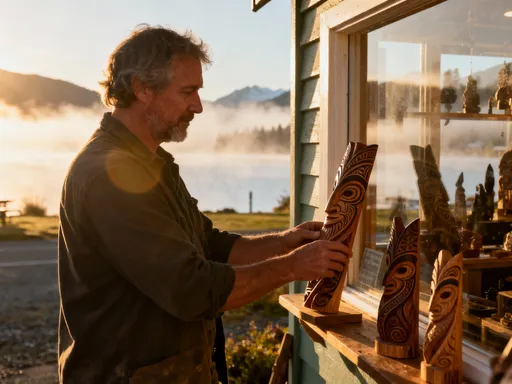
Wander, Shop, Repeat: How Walking Turned Ghent into a Retail Paradise
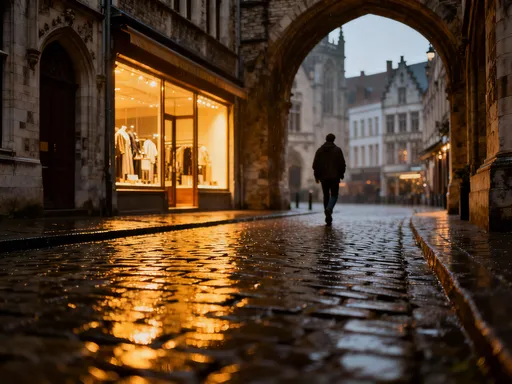
You know that feeling when a city just gets you? That’s Ghent. I laced up my sneakers, hit the cobbled streets, and stumbled upon boutiques tucked in medieval alleys, local designers turning linen into art, and markets bursting with charm. What started as a simple walk became a shopping adventure I never saw coming. In Ghent, every step leads to a discovery — and your next favorite thing is always just around the corner. This isn’t a city where shopping happens at malls or tourist traps. Here, retail is woven into the rhythm of daily life, revealed only to those who move slowly, observe closely, and allow themselves to get delightfully lost.
Why Walking Unlocks the Real Ghent
Ghent is a city designed for walking, and more than that, it rewards those who choose to explore on foot. With its compact historic center, pedestrian-only zones, and a network of narrow cobbled lanes, the city invites strolling as the most natural way to navigate. Unlike larger European capitals where public transit or taxis are necessities, Ghent’s core is small enough to traverse from end to end in under an hour — yet rich enough in detail to occupy a curious traveler for days. The true magic of the city reveals itself not through guided tours or itineraries, but in the quiet moments between destinations: the scent of warm bread drifting from a corner bakery, the chime of church bells echoing off centuries-old stone, the sudden glimpse of a hidden courtyard blooming with ivy and geraniums.
Walking allows travelers to experience Ghent with all their senses engaged. You notice textures — the smooth patina of worn flagstones, the hand-carved wooden doors of 17th-century townhouses, the soft drape of linen displayed in a boutique window. You hear snippets of Flemish conversation at an outdoor café, the rhythmic clatter of a tram in the distance, the soft melody of a street violinist near St. Nicholas’ Church. These sensory cues don’t just enrich the journey — they guide it. A whiff of roasting coffee might lead you to a family-run roastery selling single-origin beans in hand-stamped paper bags. The sound of laughter from a tucked-away square might draw you into a pop-up market selling handmade ceramics.
What makes walking in Ghent uniquely effective for shopping is the absence of rigid structure. The city’s layout encourages detours and serendipity. There are no sprawling shopping districts with identical storefronts; instead, retail is dispersed organically, embedded within residential neighborhoods and historic buildings. A shop selling artisanal chocolates might sit beneath an apartment where a painter lives and works. A tailor specializing in bespoke linen shirts could be hidden behind an unmarked door in a 15th-century guild house. These discoveries are not found in guidebooks — they are earned through movement, curiosity, and the willingness to pause and look.
Moreover, Ghent’s commitment to pedestrianization enhances safety and comfort, especially for travelers who may be unfamiliar with the city. Wide sidewalks, clear signage in Dutch and English, and frequent rest spots make it accessible for all ages and mobility levels. Families with children, older travelers, and those who prefer a relaxed pace can explore without feeling rushed or overwhelmed. The city’s emphasis on walkability also reflects a broader cultural value — a respect for community, sustainability, and the simple pleasure of being present in public space.
From Market Halls to Hidden Courtyards: The Heart of Local Shopping
If walking is the key to unlocking Ghent, then its markets and courtyards are the treasure chests. These are not staged for tourists but are living, breathing parts of city life — places where locals gather to shop, socialize, and celebrate the rhythms of the week. The Vrijdagmarkt, or Friday Market, is one of the oldest public squares in Ghent and remains a hub of daily activity. Originally a marketplace for farmers and traders, it now hosts a mix of permanent shops and weekly vendors. On Fridays and Saturdays, the square fills with stalls offering fresh produce, local cheeses, organic honey, and seasonal flowers. But it’s the unexpected finds that linger in memory: a woman selling hand-dyed silk scarves in earthy tones, a woodworker displaying delicate spoons carved from reclaimed oak, a small stand offering herbal teas blended with herbs grown in the nearby countryside.
Nearby, the Korenmarkt — named after the historic grain trade that once flourished along the Leie River — offers a more refined retail experience. Lined with elegant 18th-century buildings, this tree-shaded boulevard blends high-quality boutiques with cozy cafés and bookshops. It’s a place where fashion meets function: you might find a shop specializing in minimalist Belgian design, another offering hand-thrown pottery, and a third selling curated stationery from independent European makers. Unlike commercial streets in larger cities, there are no global chains dominating the scene. Each storefront feels intentional, personal, and deeply connected to its surroundings.
One of Ghent’s most enchanting features is its network of hidden courtyards — small, enclosed spaces tucked behind arched passageways, often accessible only by foot. These were once the private gardens of wealthy merchants or the working yards of artisans. Today, many have been transformed into intimate shopping and dining enclaves. ’t Zand, a covered market hall just off the main square, is a prime example. Once a transportation hub, it has been reimagined as a light-filled space housing a carefully selected mix of vendors. Inside, you’ll find a florist arranging seasonal bouquets, a chocolatier tempering dark chocolate by hand, and a cheese monger offering samples of aged Gouda and creamy goat varieties. The acoustics of the hall — the soft echo of footsteps, the murmur of conversation — add to the sensory richness of the experience.
What sets these spaces apart is their authenticity. There is no sense of performance or commercialization for tourist consumption. Locals come here to shop, to meet friends, to enjoy a midday coffee. This creates a rare kind of retail atmosphere — one that feels inclusive rather than exclusive, warm rather than transactional. When you shop in these places, you’re not just buying a product; you’re participating in a community ritual. The vendor remembers your name after a few visits. The baker hands you a free sample because he likes your smile. These small gestures build a sense of belonging, even for a visitor.
Independent Boutiques and What Makes Them Special
Ghent’s retail identity is defined not by big brands, but by its thriving community of independent designers, artisans, and shop owners. These small businesses are the heartbeat of the city’s shopping culture, offering products that reflect a deep respect for craftsmanship, sustainability, and local identity. From concept stores that curate only Belgian-made goods to niche boutiques specializing in zero-waste living, Ghent’s independent retailers are united by a shared ethos: quality over quantity, story over trend, and connection over convenience.
One of the most celebrated aspects of Ghent’s shopping scene is its focus on Belgian linen. Renowned for its durability, softness, and timeless aesthetic, linen has been a textile staple in Flanders for centuries. Today, a new generation of designers is reimagining it for modern life. Shops like those found along the Onderbergen or Waaistraat streets offer everything from hand-sewn tablecloths and napkins to tailored shirts and lightweight summer dresses. The fabrics are often sourced from local flax fields, processed in nearby mills, and finished by skilled seamstresses in small ateliers. When you purchase a linen item in Ghent, you’re not just buying fabric — you’re supporting an entire ecosystem of regional production.
Equally impressive is the city’s collection of hand-crafted jewelry studios. Many of these are run by female designers who work with recycled silver, ethically sourced gemstones, and traditional techniques passed down through generations. Their pieces often draw inspiration from nature — leaves, rivers, birds — or from the city’s architectural details: the curve of a bridge, the pattern of a wrought-iron balcony. Shopping in these boutiques is a personal experience. The owners are usually present, eager to explain their creative process, the meaning behind a design, or the origin of the materials used. This level of engagement transforms a simple purchase into a meaningful exchange.
Sustainable fashion is another cornerstone of Ghent’s boutique culture. With growing awareness of fast fashion’s environmental impact, many local designers are offering slow fashion alternatives — clothing made in small batches, designed to last, and produced under fair labor conditions. Stores often feature rotating collections, encouraging customers to view fashion as a curated, evolving wardrobe rather than a constant cycle of consumption. Some boutiques even offer repair services or styling consultations, reinforcing the idea that clothing should be cared for and cherished.
What makes these independent shops truly special is not just what they sell, but how they sell it. Storefronts are often understated — a simple wooden sign, a carefully arranged window display, no flashing lights or loud signage. Inside, the atmosphere is calm and inviting, with soft lighting, natural materials, and music that enhances rather than overwhelms. There is no pressure to buy; browsing is welcomed, even encouraged. This approach reflects a deeper philosophy: that shopping should be an experience of discovery, not a transaction.
The Role of Architecture in Shaping the Shopping Experience
In Ghent, shopping is never just about the product — it’s about the setting. The city’s extraordinary architectural heritage plays a crucial role in shaping how retail feels. Whether you’re browsing vintage books in a 16th-century townhouse or selecting chocolates in a converted warehouse, the surroundings add emotional depth and historical resonance to every purchase. The buildings themselves become part of the story, transforming a simple act of buying into a moment of connection with the past.
Many of Ghent’s most beloved shops are housed in restored historic buildings — former guildhalls, merchant homes, and industrial spaces that have been thoughtfully repurposed. Walking into one of these shops feels like stepping into a living museum. The thick stone walls, exposed wooden beams, and uneven floors speak of centuries of use and care. Light filters through tall, narrow windows, casting soft patterns on the floor. Staircases creak underfoot, not as a flaw, but as a reminder of age and authenticity. These spaces are not designed for efficiency or mass retail; they are designed for intimacy, for slowness, for attention to detail.
Consider a boutique located in a former drapers’ guild house on the Graslei. The exterior is marked by ornate gables and carved stone figures representing the city’s mercantile history. Inside, the shop sells handwoven textiles and natural dyes, displayed on antique wooden shelves. The counter is an original 17th-century desk, its surface worn smooth by generations of hands. When you buy a scarf here, you’re not just purchasing a beautiful object — you’re participating in a tradition that stretches back hundreds of years. The architecture reinforces the value of the product, reminding you that craftsmanship and continuity matter.
Similarly, some of the city’s most innovative retail spaces are found in repurposed industrial buildings along the canals. Once used for storing grain or textiles, these brick warehouses now house concept stores, design studios, and artisan workshops. High ceilings, large windows, and open floor plans create a sense of airiness and light, perfect for displaying art, furniture, or fashion. The contrast between old and new — a sleek minimalist dress displayed against a backdrop of weathered brick — creates a dynamic visual dialogue that enhances the shopping experience.
This integration of architecture and commerce is not accidental. Ghent has long prioritized the preservation of its historic fabric, balancing modern needs with respect for the past. As a result, new developments are often required to incorporate existing structures or follow traditional design guidelines. This policy ensures that even contemporary shops feel rooted in the city’s identity. For the traveler, this means that every shopping destination feels unique, layered with meaning, and deeply connected to place.
Practical Tips for the Walking Shopper
To fully enjoy Ghent’s walking and shopping culture, a few practical considerations can make a big difference. First, timing matters. Mornings are ideal for quiet exploration, especially on weekdays when the streets are less crowded and shopkeepers have more time to chat. By mid-morning, many boutiques are fully stocked, and bakers have fresh batches of pastries ready. Saturdays, on the other hand, offer a different energy — the markets are in full swing, the streets buzz with activity, and there’s a festive atmosphere in the air. If you enjoy lively scenes and want to experience local life at its most vibrant, Saturday is the best day to visit.
Comfortable footwear is essential. While Ghent’s cobbled streets are picturesque, they can be uneven and tiring over long distances. Opt for supportive, low-heeled shoes with good grip. Avoid slick soles, as they can be slippery on wet stone. Many locals wear leather ankle boots or walking shoes, and following their lead is a smart choice. If you plan to walk for several hours, consider bringing a small backpack or tote bag to carry purchases, water, and a light jacket.
Reusable shopping bags are not just environmentally friendly — they’re practical. Many of Ghent’s independent shops do not provide plastic bags, and those that do often charge a small fee. Bringing your own cloth or foldable bag ensures you’re prepared and reduces waste. Some boutiques even offer discounts to customers who bring their own bags, reinforcing the city’s commitment to sustainability.
Weather can influence your route. On rainy days, prioritize covered or indoor spaces like ’t Zand Market, the Patershol shopping lanes, or the city’s many café-bookshops. These areas allow you to stay dry while still enjoying the retail experience. On sunny days, take advantage of the outdoor markets, canal-side benches, and courtyard cafés where you can rest and recharge with a coffee or a glass of local beer.
Don’t forget to schedule breaks. Ghent is full of inviting spots to pause — a quiet park bench, a riverside terrace, a cozy tea house. Use these moments to reflect on what you’ve seen, review your purchases, or simply enjoy the atmosphere. Slowing down isn’t a delay — it’s part of the journey.
Beyond Souvenirs: What to Look For (and Why It Matters)
In a city like Ghent, the most meaningful souvenirs aren’t found in gift shops selling mass-produced trinkets. Instead, the best keepsakes are those that reflect the city’s spirit — its craftsmanship, its values, its connection to nature and tradition. When you choose to buy locally made, sustainable, or culturally significant items, you’re not just bringing home a memento — you’re carrying a piece of Ghent’s story with you.
One of the most rewarding categories to explore is gourmet food. Ghent and the surrounding region are known for high-quality artisanal products: small-batch chocolates, handmade biscuits, craft beer, and regional cheeses. These are items that engage the senses long after the trip ends. A jar of blackcurrant jam made with fruit from a nearby farm, a bar of dark chocolate infused with orange and cardamom, a bottle of locally distilled gin — each one offers a taste of place. They also make thoughtful gifts, allowing you to share your experience with others.
Textiles, especially Belgian linen, are another excellent choice. A linen apron, a set of napkins, or a lightweight shawl can be used daily, serving as a quiet reminder of your time in Ghent. These items are durable, beautiful, and rooted in regional heritage. Each time you use them, you reconnect with the textures and rhythms of the city.
Art prints, handmade paper, and books from independent publishers also make meaningful souvenirs. Many of Ghent’s small galleries and bookshops sell works by local artists — prints of cityscapes, botanical drawings, or abstract designs inspired by Flemish art. These are not generic reproductions, but original creations that reflect a personal vision. A small print framed at home can become a daily source of inspiration.
Perhaps most importantly, choosing to support local makers has a ripple effect. Your purchase helps sustain small businesses, preserves traditional crafts, and strengthens the community. It’s a form of travel that gives back, creating a deeper, more reciprocal relationship between visitor and place.
How This Journey Changes the Way You Travel
The experience of walking and shopping in Ghent does more than fill a suitcase — it reshapes how you see travel itself. It shifts the focus from checking off landmarks to savoring moments, from collecting photos to collecting stories. It teaches you to move slowly, to notice deeply, and to find joy in the unexpected. In a world where tourism often feels rushed and impersonal, Ghent offers a different model — one built on connection, curiosity, and care.
When shopping becomes a form of cultural exploration, it transforms from a leisure activity into a meaningful practice. Each purchase carries intention. Each conversation with a shopkeeper becomes a bridge. Each discovery — a hidden courtyard, a hand-stitched jacket, a perfectly brewed cup of coffee — becomes a memory etched not just in the mind, but in the heart.
This approach to travel is especially powerful for those who value authenticity, mindfulness, and personal enrichment. It’s not about spending more — it’s about valuing more. It’s about choosing experiences that enrich your life long after the journey ends. And it’s about recognizing that the best souvenirs aren’t things, but the feelings they evoke: warmth, belonging, wonder.
So the next time you travel, consider leaving the itinerary behind — just for a day. Lace up your walking shoes, follow your instincts, and let the city guide you. Let a scent, a sound, a patch of sunlight lead you to a shop you’ve never heard of. Step inside. Say hello. Take your time. Because in places like Ghent, the real treasures aren’t marked on maps. They’re found in the quiet moments between steps, in the joy of discovery, and in the simple act of being present. Wander, shop, repeat — and let the journey change you, one thoughtful find at a time.